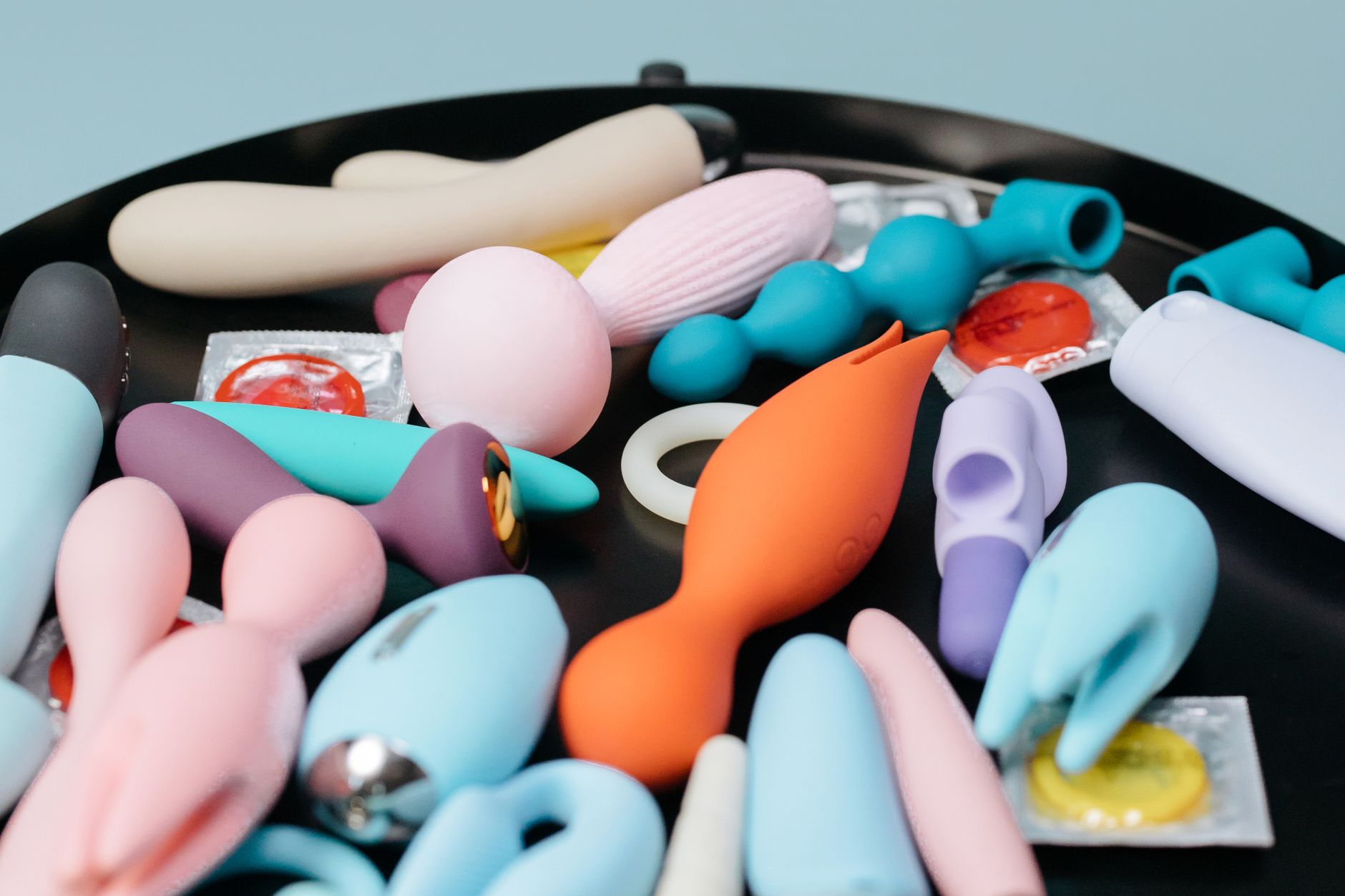
How to Choose Between Lemon Vibrators and Other Clitoral Toys If You're Sensitive to Intense Stimulation
Not all clitoral pleasure works the same way. If strong vibrations feel overwhelming, here's exactly how to navigate lemon vibrators, suction devices, and gentler options without the guesswork.
Not every clitoral toy works for every body. Some people can handle direct, high-intensity vibration. Others find it overwhelming, numbing, or even painful. The difference isn't weakness—it's nervous system wiring, tissue sensitivity, and the way your specific body processes stimulation. Between lemon vibrators, suction toys, wand vibrators, and smaller clitoral devices, you've got real choices. The trick is knowing which pattern of stimulation matches what your nervous system actually wants.
If strong vibrations have ever felt too intense, caused numbness, or left you feeling frustrated rather than satisfied, you're not alone. About 40 percent of people report sensitivity issues with standard vibrators. The good news? Understanding the mechanical difference between toy types makes choosing the right one actually simple.
Vibration strength comes down to frequency (how many times per second the toy moves) and amplitude (how far it moves with each pulse). Standard wand vibrators typically run at 5,000-10,000 vibrations per minute. Lemon vibrators operate differently—they use oscillation or sonic pulsing rather than traditional vibration, which creates a different sensation altogether. Suction toys use air-pulse technology with no vibration at all.
Your clitoris has roughly 8,000 nerve endings packed into a space smaller than a fingertip. If you're sensitive, those nerves get overstimulated easily. High-frequency vibration can feel like white noise instead of pleasure—your nervous system just... stops registering it. You might feel numb, desensitized, or exhausted rather than aroused.
This is especially common if you have vulvodynia, pelvic floor dysfunction, or a history of tension-holding during sex. It's also completely normal after certain medications or hormonal shifts.
Lemon vibrators (and the Lemon clitoral vibrator specifically) operate via precision oscillation rather than brute-force vibration. Think of it less like shaking and more like rapid, controlled tapping. The patterns available on most lemon toys range from gentle pulsing to more intense rhythms, but even the strongest setting never feels chaotic or overwhelming.
What makes this design work for sensitive people: you can start at pattern 1 or 2 and actually feel a difference between each level. You're not jumping from tolerable to overwhelming. The oscillation creates a more nuanced sensation—less "your whole clitoris vibrating" and more "precise, localized stimulation of specific nerve clusters."
Lemon vibrators also work well if you tend toward numbness because they don't fatigue your nervous system the way relentless high-frequency vibration does. You can use them longer without that dead, overstimulated feeling setting in.
Downside: if you prefer deeper, more intense sensations, lemon vibrators might feel subtle. They're also denser and less portable than some alternatives.
Suction toys like the Avocado use air-pulse technology to create a gentle, rhythmic squeeze rather than vibration. If vibration has ever felt sharp, irritating, or numbing, suction is often a completely different experience. Many sensitive people find suction immediately comfortable because it mimics a sensation closer to oral stimulation.
Suction works by creating a gentle vacuum seal, then pulsing that seal. The sensation builds slowly, which means your body isn't shocked into overstimulation. It's also harder to accidentally go too hard with suction—the mechanism itself prevents extreme intensity.
What to expect: a massaging, encompassing sensation rather than focused tapping. Orgasms from suction often feel fuller and more diffuse. Many people find the ramp-up to orgasm feels more natural with suction than with vibration.
Downside: suction requires a bit of a learning curve to position correctly, and it won't work well if your clitoral anatomy is very recessed or if you have significant clitoral sensitivity to pressure.
If you want vibration but just less of it, smaller toys like the Berri clitoral vibrator or Lolly mini wand offer a middle ground. Lower power consumption means gentler overall vibration, even at higher settings. The smaller surface area also means less overwhelming sensory input.
These work well if you're recovering from pelvic floor dysfunction or if you simply prefer softer touch. You still get the vibration sensation many people love, just calibrated down.
The catch: even small vibrators can feel intense at maximum settings if you're extremely sensitive. But the lower ranges on mini vibrators tend to be genuinely subtle.
Big wand vibrators, even when set to low, deliver broad stimulation across a large surface area. If you're sensitive, this often feels diffuse and fatiguing rather than pleasurable. The vibration frequency also doesn't really change—only the amplitude adjusts. You go from intense to slightly-less-intense, with no true low option.
Wands have their place, but for sensitive bodies, they're usually the least comfortable choice. If a wand has worked for you in the past, great. If it hasn't, you're not broken—the tool was just wrong.
Sensitivity isn't purely physical. Anxiety, trauma history, pelvic floor tension, and stress all affect how your body processes clitoral stimulation. Someone recovering from pelvic floor dysfunction needs different stimulation than someone with generalized anxiety, even if both feel "sensitive."
If you hold tension in your pelvic floor, gentler, slower stimulation often works better because it doesn't trigger a defensive contraction. If your sensitivity comes from nerve hypersensitivity (not tension), you might actually want more stimulation options, not fewer—you just need them lower-intensity.
This is why trying different toy types matters. One toy type won't solve the puzzle alone.
Start with what you already have. If you own any toy, try it at the lowest setting for at least five minutes—not rushing, just exploring. Notice if the sensation feels pleasurable, numbing, sharp, or just "meh." That tells you something.
Borrow before you buy if you can. Talk to partners or friends who have toys you're curious about. Many people are happy to let someone test in private. Reading reviews from people who specifically mention sensitivity is also gold—you'll find real patterns.
When you do choose a new toy, commit to at least three separate sessions before deciding it's not for you. Sensitivity and pleasure are learnable. Your body might need time to adjust to a new type of stimulation.
I can't overstate this: the right lubricant matters more for sensitive bodies than for anyone else. Water-based lubes can feel thin and require reapplication. Silicone-based lubes feel richer but can't be used with silicone toys (they degrade the material).
For most sensitive people, a hybrid lube or a high-quality water-based option makes a massive difference. Less friction means less irritation. Less irritation means you can actually feel pleasure instead of discomfort.
If you're using a lemon clitoral vibrator or other silicone toy, test your lube first. Apply it to a small area and wait a few minutes to make sure there's no reaction.
You don't have to pick just one toy. Many people find that layering stimulation—using internal and external toys together, or alternating between two different external patterns—actually reduces oversensitivity. Your nervous system processes varied input differently than repetitive input.
For example, some people find that using a lemon vibrator at a low setting while a partner provides gentle manual stimulation elsewhere creates the perfect balance. Others use a suction toy for a few minutes, then switch to a gentler vibrator for variety.
This approach also keeps your nervous system engaged rather than fatigued. You're not drilling the same nerve endings for twenty minutes straight.
If clitoral stimulation causes sharp pain, burning, or swelling, or if you have numbness that doesn't improve with different toys, talk to a pelvic floor physical therapist or gynecologist. Conditions like vulvodynia, dermatological sensitivity, or nerve irritation need professional evaluation.
Similarly, if your sensitivity is paired with difficulty reaching orgasm, anxiety during sex, or a significant drop in libido, a therapist trained in both somatic work and relationship dynamics can help you untangle what's actually happening.
Sensitivity isn't a limitation—it's information. It tells you how your nervous system is organized and what kinds of input feel good to it. Some people's bodies are built for intense stimulation. Others thrive with gentler, more nuanced patterns. Both are normal.
If you're choosing between lemon vibrators and other clitoral toys, start by honestly assessing what vibration or suction has felt like in the past. Did it ever numb you out? Leave you frustrated? Make you tense up? Those answers point toward which toy type to explore first.
Your pleasure matters. It deserves the right tool.
Yes, but start at the absolute lowest setting. Lemon vibrators offer more granular control than most vibrators—you might find pattern 1 is manageable when even "low" on other toys is overwhelming. If even the gentlest setting feels too much, suction toys are worth exploring instead. Sensitivity to touch is very real, and the right toy makes pleasure accessible again.
No. Numbness usually clears within a few days to a week once you stop using high-intensity vibration. If you're experiencing persistent numbness, switch to a different toy type (try suction or a lower-power vibrator) and give your nervous system a break. If numbness persists for weeks, check in with a pelvic floor physical therapist.
Lemon vibrators use oscillation—rapid, precise tapping motion. Suction toys use air pulses to create a vacuum effect. Vibrators feel more direct and sharp. Suction feels more like a massage or squeeze. If vibration has ever felt overwhelming, suction often feels softer and slower to build. If you find suction too broad, a lemon vibrator's focused oscillation might be better.
Not special, but the right type matters. A high-quality water-based or hybrid lube reduces friction and irritation significantly. Avoid lubes with glycerin or parabens if your tissue is reactive—they can cause irritation in sensitive people. Test any new lube on a small patch of skin first. Good lube genuinely changes how stimulation feels for sensitive bodies.
Absolutely. Anxiety triggers pelvic floor tension, which makes clitoral tissue feel more reactive. When you're tense, even gentle stimulation can feel overwhelming. If anxiety is part of your picture, exploring slower, more rhythmic stimulation (like suction) alongside stress-management practices often helps more than just switching toy types. Consider speaking with a therapist if anxiety consistently shows up during sexual activity.
Three to five sessions, typically. Your body needs time to learn what new sensations feel good. Some people fall in love with a toy immediately. Others need multiple experiences for pleasure to click. If after five solid tries a toy still feels wrong, it probably is—move on rather than forcing it. The right toy should feel at least somewhat enjoyable within a few attempts.