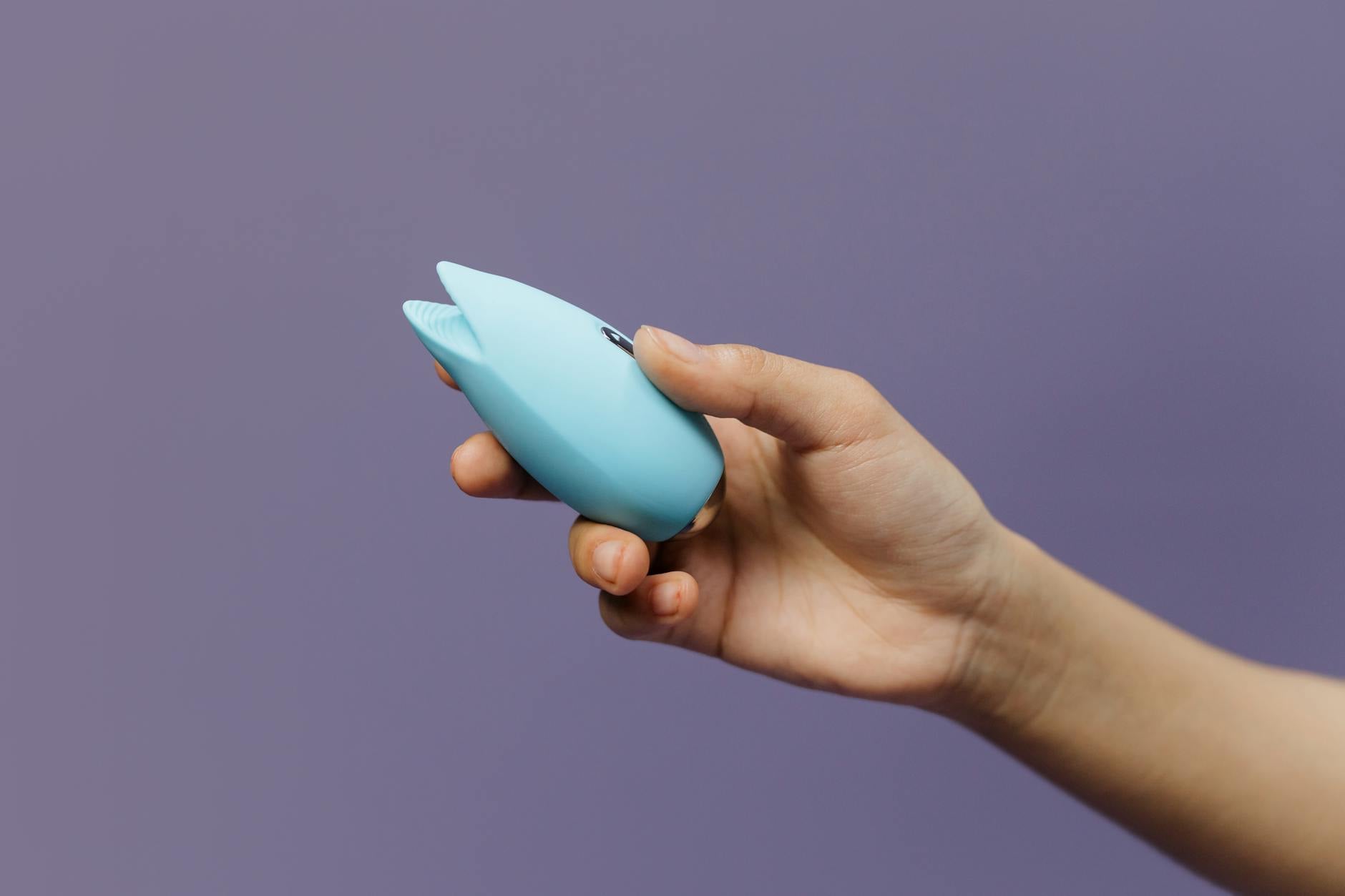
Why Lemon Vibrators Feel Different on Thinner Tissue After Menopause
Estrogen doesn't just affect lubrication. It changes how your clitoral tissue responds to air-pulse stimulation. Here's what changes, what doesn't, and how to get the most from your lemon vibrator post-menopause.
Menopause drops estrogen fast. This hormonal shift touches nearly every tissue in your body, including the delicate epithelium (the protective outer layer) of your vulva and clitoral complex. That's not a polite way of saying everything stops working. It means the tissue becomes thinner, less elastic, and sometimes more sensitive to direct friction. When you've relied on a lemon vibrator or any clitoral vibrator for years, this shift registers immediately. The sensation feels sharper, sometimes almost tender. The intensity that felt perfect at 45 can feel too much at 55.
Here's the part nobody mentions: this is completely reversible, and it's also completely manageable. Thousands of people using Hello Nancy products report that post-menopausal pleasure is not diminished pleasure. It's different pleasure, and often better.
Estrogen does three major jobs in clitoral tissue that matter for sensation:
1. It maintains tissue thickness. The epithelium of the clitoral complex is richly innervated. Thinning tissue means the same nerve endings are now closer to the surface. This isn't inherently bad. It means they fire more easily. But it also means friction that felt pleasant before now feels abrasive.
2. It supports blood flow. Estrogen helps maintain the microvascular network that feeds the clitoris. When blood flow drops, arousal takes longer to build. The clitoris needs longer warm-up time to engorge, which changes the geometry of stimulation and how air-pulse toys like the lemon clitoral vibrator interact with the tissue.
3. It keeps tissue elastic. Elasticity allows tissue to move with stimulation rather than against it. When tissue loses elasticity, it becomes more reactive and less forgiving of intensity changes.
The clitoral complex doesn't stop working. It recalibrates. And that recalibration changes what intensity and rhythm feel good.
Lemon vibrators work differently than traditional vibrators. Instead of direct vibration, they use gentle air pulses that create a suction sensation. This is actually a huge advantage post-menopause, but only if you understand why the sensation shifts.
The air pulse creates a seal around the clitoral glans. On thicker pre-menopausal tissue, that seal feels enveloping and indirect. The sensation is diffused across more tissue. On thinner tissue, the same pulse penetrates more directly to the nerve endings. The sensation concentrates. It can feel more intense without the toy moving or changing settings at all.
This is why so many people report that the lemon sucker, the Lem, or any Hello Nancy clitoral vibrator they've used for years suddenly feels stronger post-menopause. The toy didn't change. Your tissue did.
If you've been using a lemon vibrator consistently and suddenly find that your usual intensity setting feels too strong, you have three options. All of them work. You get to choose.
Option one: start lower and build up. If you typically start at pattern 3 or 4, try beginning at pattern 1 or 2. Let your body warm up and build arousal before increasing intensity. This often takes 10-15 minutes instead of 5. That's not wasted time. That's foreplay with yourself.
Option two: adjust the placement. Move the toy slightly off-center so the seal is less direct. Some people find that angling it toward the hood instead of the glans creates a more comfortable sensation. Experiment. Your body will tell you what works.
Option three: use lubricant differently. Water-based lubricant creates a better seal and can actually soften the intensity of air-pulse stimulation. Try adding a small amount around the clitoral area before using the toy. This changes the sensation from sharp to smoother without changing the device itself.
Post-menopause lubrication changes aren't just about wetness. They're about tissue resilience. Thinner tissue benefits from external lubrication not because you're broken, but because lube reduces friction and protects the epithelium.
For air-pulse toys like lemon sexual toys, water-based lubricant is your friend. It creates a smoother seal, buffers the intensity, and makes the sensation feel less penetrating and more enveloping. Apply a thin layer around the clitoris, not inside it. You want lubrication on the tissue, not filling the seal.
Silicone-based lubes feel luxurious but will damage silicone toys. Stick with water-based. Your clitoris will thank you.
Arousability changes post-menopause. It doesn't disappear. It deepens and slows down. Where you might have gotten clitorally engorged in two or three minutes pre-menopause, you now need eight to twelve minutes of foreplay, mental engagement, or direct stimulation to build the same arousal response.
This is not a loss. This is a shift toward deeper engagement. If you're using a lemon clitoral vibrator solo, extend your warm-up. Touch yourself. Read something that works for you. Breathe. Let your body catch up to your interest.
When arousal builds fully, tissue engorgement changes the geometry again. The clitoral complex swells slightly, pulling the glans back under the hood. That movement means the toy needs to seat differently than when you started. This is why foreplay isn't optional post-menopause. It's structural.
If stimulation with your lemon vibrator creates pain instead of pleasure, or if sensation feels numb despite arousal, genitourinary syndrome of menopause (GSM) might be present. This is real. It's treatable. And it's worth a conversation with a menopause-trained gynecologist.
Topical estrogen creams applied to the vulva and vaginal opening can restore tissue thickness and elasticity in four to eight weeks. The estrogen absorption into the bloodstream is minimal. Your doctor can help determine if this is right for you.
If you're experiencing clitoral pain specifically, a pelvic floor physical therapist trained in menopause changes can help. Sometimes tension patterns in the pelvic floor intensify tissue sensitivity. A few sessions can rewire this completely.
Here's what people miss: the neural pathways for pleasure don't change. Your clitoris has 8,000 nerve endings. Menopause doesn't remove them. It doesn't even diminish them. It repositions them closer to the surface because the protective tissue thins.
This means your capacity for orgasm doesn't shrink. Neither does your ability to experience intense pleasure. What changes is the route to get there. You need different pressure, different timing, different warm-up. That's not decline. That's just a recalibration.
Many people report that orgasms post-menopause feel more intense, more localized, and more emotionally present than before. When tissue is thinner and more responsive, the sensation can actually sharpen. You might notice your orgasm more acutely. The pleasure might feel more concentrated.
If you've been away from your Hello Nancy lemon sucker or Lem vibrator for months, or if you're experiencing these tissue changes for the first time, treat it like relearning the toy. Set aside 20-30 minutes with no performance pressure. Start at the lowest intensity. See how it feels on its own. Slowly build arousal. Notice when the sensation shifts from sharp to enveloping. That's your new sweet spot.
You might find you prefer a completely different pattern than before. That's information, not loss. Your body is telling you something useful.
Tissue thinning from estrogen drop brings nerve endings closer to the surface. The same toy feels more intense on thinner tissue. Try starting at a lower intensity setting and building slowly, or use water-based lubricant to soften the sensation.
Absolutely. Lemon vibrators are actually excellent post-menopause because air-pulse stimulation is gentler on thin tissue than traditional vibration. You might need to adjust intensity, warm-up time, or placement, but the toy itself works beautifully.
Yes. It creates a smoother seal, reduces friction on thin tissue, and can soften the intensity without changing the device. A thin layer around the clitoral area is usually enough.
Your body adjusts within a few sessions. Start at lower intensity and notice what feels good. Most people find their new sweet spot within three to five uses once they know to expect the shift.
Yes. If tissue thinning is causing pain or numbness, a doctor-prescribed topical estrogen cream can restore tissue thickness and elasticity in four to eight weeks. This often restores sensation and comfort completely.
No. Pleasure shifts but doesn't disappear. Many people report that post-menopausal orgasms feel more intense and emotionally present than before. The experience is different, often richer.
Menopause changes how your body responds to lemon vibrators and other clitoral toys, but it doesn't end pleasure. It redistributes it. Your clitoris still has all its nerve endings. Arousal still works. Orgasms still happen, often more intensely.
What changes is the setup. You need longer warm-up time, lower initial intensity, and maybe a bit of lubrication. That's not loss. That's just the new toolkit. And honestly, most people who make these small adjustments find that their sex life post-menopause becomes more intentional, more tuned to their actual body, and more satisfying than it was before.
Your lemon vibrator isn't broken. Neither is your clitoris. You're just getting to know each other again under new conditions. That's actually kind of beautiful.
If you're navigating larger relationship or intimacy shifts alongside menopause, or if you want personalized guidance on rebuilding connection with your partner during this transition, reach out. I work with couples and individuals navigating exactly this terrain.