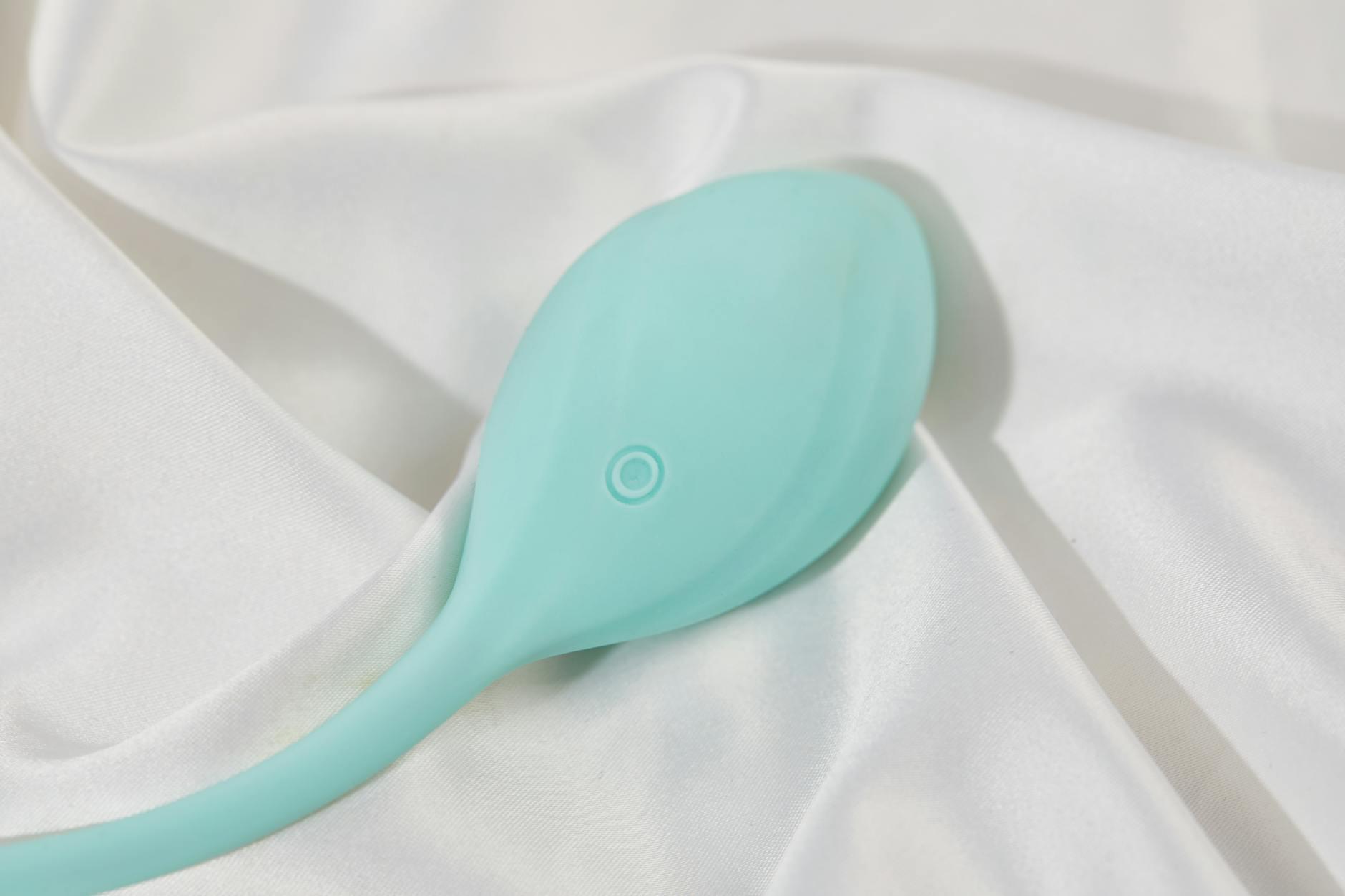
If you've tried vibrators before and walked away with soreness, numbness, or just a flat sensation, your nervous system wasn't being stubborn. Your tissue was protesting. Here's the thing: not all vibrators are built for sensitive skin, and most people don't realize there's a fundamental difference in how they work.
Most traditional vibrators rely on rapid lateral vibration, which means they shake side-to-side against your skin hundreds of times per second. That's intense mechanical friction. For people with sensitive tissue, recovering from childbirth or trauma, dealing with endometriosis, or managing conditions like vulvodynia, that friction can feel like sandpaper instead of pleasure.
Then there's air-pulse technology, which is how lemon vibrators and similar devices operate. Instead of shaking, they use gentle suction pulses that stimulate nerve endings without the same mechanical wear and tear. If you're sensitive, this distinction changes everything.
When you press a lemon clitoral vibrator against your skin, it creates a series of rapid air pulses that gently compress the tissue beneath. This isn't the kind of suction that feels grabby or painful. It's more like a massage that moves in waves, concentrating stimulation on the nerve clusters without prolonged friction against a single point.
Your clitoris has roughly 8,000 nerve endings packed into a space smaller than a pea. Most of those nerves sit just beneath the surface. Traditional vibrators stimulate those nerves through direct contact and rapid movement. Air-pulse devices stimulate them through pressure changes and rhythmic suction.
The result is that people with sensitive tissue report less irritation, longer sessions without numbness, and often more intense orgasms. Your nerves get stimulated without your skin getting angry.
First, reduced friction burns your nerve endings out. When you use a vibrator that buzzes at 5,000 to 10,000 vibrations per second against delicate skin, you're essentially creating tiny, repeated micro-abrasions. This doesn't happen gradually. Some people feel the irritation immediately. Others notice numbness creeping in after 10 or 15 minutes. Air-pulse technology avoids this because suction doesn't rely on lateral movement. The tissue stays relatively still while the sensation moves through it.
Second, air-pulse creates a pressure gradient that excites nerves differently. Your nervous system has different receptors for different types of touch. Some respond to sustained pressure, others to rapid vibration, and still others to rhythmic pulsing. Lemon vibrators and similar air-pulse devices activate a combination that feels less intense while still delivering powerful stimulation. For sensitive people, this is the sweet spot.
Third, air-pulse allows for longer sessions. Once your nerve endings are fatigued from friction, they stop responding. This is why some people hit a numbness wall and can't orgasm. With air-pulse technology, you can comfortably use the device for 20, 30, even 40 minutes without hitting that wall. More time under stimulation generally equals deeper and more satisfying orgasms.
If any of this sounds like your experience, air-pulse technology is worth trying.
People recovering from childbirth often have traumatized tissue that's still healing, even six months or a year later. Traditional vibrators can feel aggressive. Lemon clitoral vibrators and similar devices let you build sensation gradually without pain.
Anyone managing vulvodynia or provoked vestibulodynia (chronic pain around the vulvar entrance) needs stimulation without pressure on the sensitive zones. Air-pulse gives you pleasure without triggering pain pathways.
Those with endometriosis or adenomyosis frequently experience pain with direct vibration. The gentler pressure of air-pulse can work within their window of comfort.
People taking medications that affect sensation, like some antidepressants or hormonal contraceptives, sometimes find that traditional vibrators just don't feel like much. The different sensory pathway that air-pulse creates can help them feel something again.
And honestly, some people are just wired with more sensitive tissue. It's not an injury or a diagnosis. It's just how your nervous system is built. For those folks, a lemon vibrator isn't an accommodation. It's simply the better tool.
Research into air-pulse technology is still relatively sparse, but the studies we do have are telling. One key finding is that air-pulse devices create less localized trauma to the epidermis while still activating deep nerve pathways. This is because the stimulation is distributed across a wider surface area and relies on pressure changes rather than mechanical friction.
A 2019 study on suction-based intimate devices found that users reported less numbness, less post-use soreness, and higher satisfaction scores compared to traditional vibrator users. The mechanism seems to be that the tissue is getting stimulated without being worn down.
Your skin has a threshold for mechanical stress. Push past it, and you get irritation, redness, and nerve fatigue. Lemon clitoral vibrators and other air-pulse designs stay well below that threshold while delivering equally powerful sensation. It's a win-win for sensitive folks.
Start with the gentlest setting. Lemon vibrators typically have five or more intensity levels. People come to this technology expecting it to feel underwhelming because they're used to aggressive traditional vibrators. It won't. The sensation is just different, and it builds differently.
Put it directly over your clitoris, not off to the side. The seal matters. If you're not getting sensation, it's usually because the contact isn't tight enough.
Expect longer warm-up time. Because air-pulse doesn't create friction, it takes your nervous system a few minutes to recognize and respond to the stimulus. By minute three or four, you'll feel the difference.
Use water-based lubricant sparingly. A tiny bit helps with the seal, but too much can break it. You'll learn the right amount with one or two uses.
Give it at least three sessions before deciding it's not for you. Some people take longer to acclimate to a new sensory pathway, especially if they've spent years using traditional vibrators.
Honestly, air-pulse technology isn't universally better for everyone. Some people genuinely prefer the sensation of traditional vibration. Some have pelvic floor tension that makes the suction feel uncomfortable. Some have anatomy where the seal is hard to achieve.
If you try a lemon vibrator and it doesn't click, that's not a failure. It means traditional vibration works better for your nervous system, and that's completely valid.
The point isn't that air-pulse is objectively superior. The point is that for people with sensitive tissue, it's often a game-changer. And if you've never experienced pleasure from a vibrator because traditional ones cause pain, this might be the reason why.
Yes, many people with vulvodynia find air-pulse devices like lemon vibrators more comfortable than traditional vibrators because they avoid direct friction on sensitive tissue. That said, vulvodynia varies widely between individuals. Some people need to start very slowly and use the lowest settings. If pain occurs, stop and consider working with a pelvic physical therapist alongside experimenting with toys. Never push through pain.
Yes, lemon vibrators are generally safe during pregnancy, though you should check with your OB-GYN if you have any pregnancy complications or high-risk factors. The air-pulse technology doesn't pose unique risks. Many people use them comfortably throughout pregnancy. Stop immediately if you experience cramping or discomfort.
Wand vibrators use traditional vibration and can be quite intense. Because of their larger surface area, they distribute pressure differently than small clitoral vibrators, and some sensitive people find them easier to use. However, lemon clitoral vibrators still offer an advantage because the air-pulse mechanism is inherently less friction-based than any wand. It depends on your individual tissue and preferences.
Numbness happens because repetitive mechanical vibration fatigues your nerve endings temporarily. It's similar to how your hand goes numb if you hold it against something vibrating. Air-pulse technology avoids this because it stimulates nerves through pressure waves rather than sustained mechanical friction. Your sensory receptors don't tire out as quickly.
Not necessarily better, just different. Air-pulse devices tend to cost more because the engineering is more complex. A lemon vibrator might cost $79 to $99, while a basic traditional vibrator might be $30 to $50. The price reflects the technology, not universal superiority. Choose based on what your tissue needs, not what sounds fancier.
Absolutely. Some people use both depending on mood, time of day, or how sensitive their tissue is feeling. If you've been using a traditional vibrator and your tissue is inflamed, taking a break and using air-pulse for a few weeks can help tissue recover. Then you can reintroduce traditional vibration if you want.
If you've been avoiding vibrators because they hurt, numb you out, or just feel too intense, the problem isn't you. The problem might be the technology. Lemon vibrators and other air-pulse devices offer a fundamentally different way to stimulate sensitive tissue. They work with your body instead of against it.
Your pleasure matters, and you deserve a tool that feels good instead of painful. If traditional vibration hasn't worked, give air-pulse a real chance. You might find that the best sensations of your life have been waiting on the other side of a different technology.