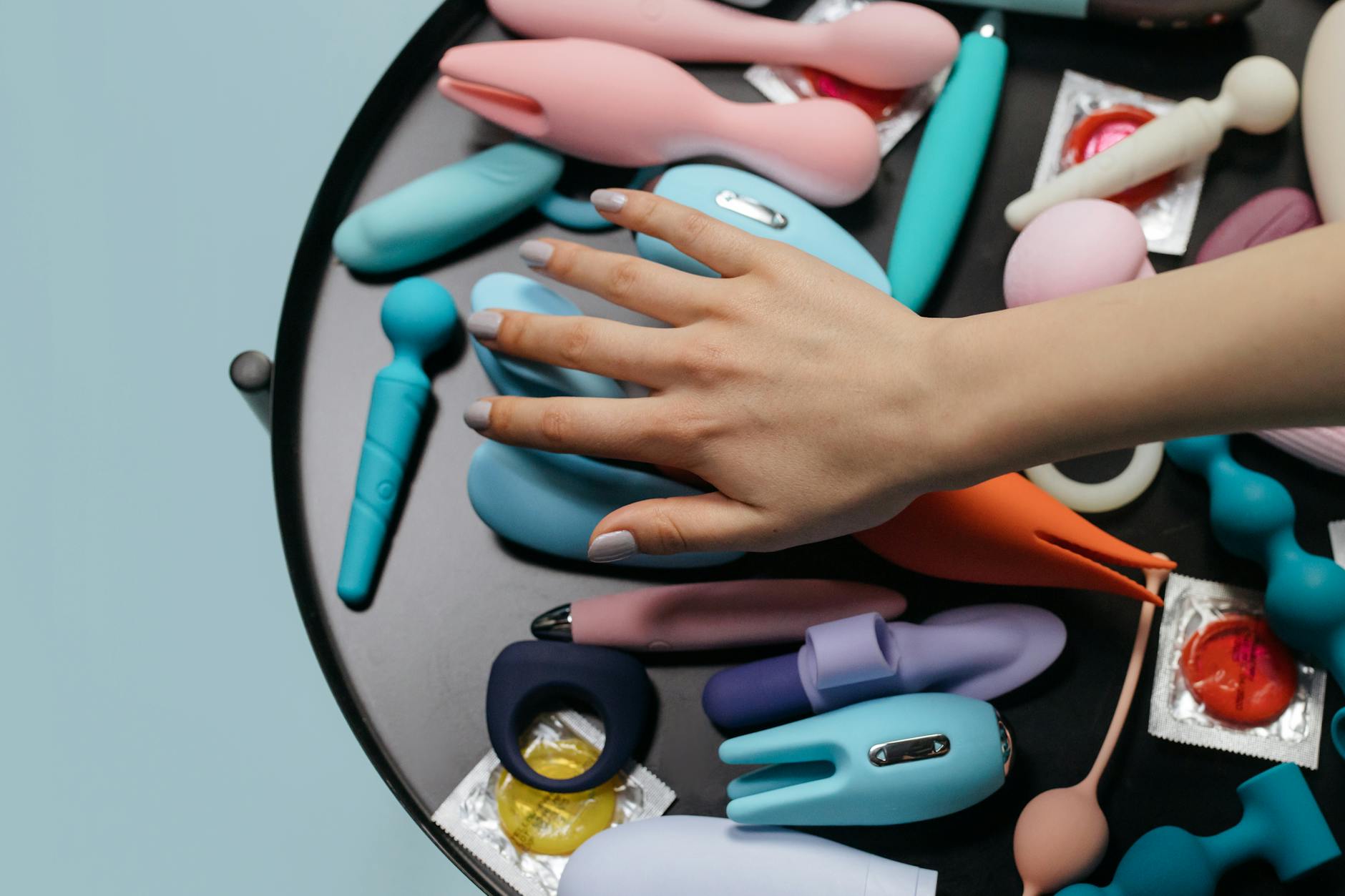
How to Use Lemon Vibrators for Pleasure When You Have Pelvic Pain Conditions
Endometriosis, vulvodynia, and other pelvic pain diagnoses don't mean pleasure has to stop. Here's what actually works, what to avoid, and how lemon clitoral vibrators fit in.
Here's the thing nobody tells you: having pelvic pain doesn't mean your body isn't capable of pleasure. It means you need different information, different boundaries, and honestly, different tools. And that's not a consolation prize. That's actually an opportunity to understand your body better than you ever would have otherwise.
I work with people navigating endometriosis, vulvodynia, interstitial cystitis, and other chronic pelvic pain conditions. One of the first conversations we have is about pleasure. Most of them expect me to tell them it's off the table. Instead, I tell them the truth: with the right approach, lemon clitoral vibrators can be part of a really satisfying sexual life. Not despite the pain condition. Sometimes even because of the insight it forced.
When you live with pelvic pain, your nervous system is already sensitized. Your pelvic floor muscles are often tight and protective. Your brain has learned to associate certain types of stimulation with threat. Adding stimulation on top of that without understanding what's happening can make things worse, not better.
But here's the contradiction: gentle, controlled stimulation can actually help retrain that nervous system. The catch is that you need to understand the difference between acute pain (your body saying "stop right now") and the kind of sensation that might feel intense but isn't actually harmful. That distinction is the entire game.
Lemon vibrators are particularly good for this because they give you granular control. The Lem has six intensity levels, which means you can start absurdly low and work up at a pace your nervous system can tolerate. You're not choosing between "nothing" and "wand vibrator" anymore. You have options that live in the subtle middle ground.
First, arousal might take longer. Your central nervous system is managing pain signals constantly. Adding mental effort or performance pressure on top of that makes the nervous system defensive. Budget more time, especially in the beginning. An hour might feel long, but twenty to thirty minutes of genuine warm-up is reasonable.
Second, certain types of touch might trigger pain even if they don't usually. This isn't weakness or regression. It's your nervous system being honest about what it can handle that day. Sometimes it's about hormones. Sometimes it's about stress. Sometimes you have no idea. The point is to stay curious instead of frustrated.
Third, pleasure might feel different in location or intensity. Some people with vulvodynia find that indirect stimulation through the clitoral hood feels better than direct contact. Others discover they prefer stimulation on the outer labia or the perineum. Lemon clitoral vibrators let you explore that without judgment or wasted money on toys that don't fit your actual needs.
Start with pattern mode, not intensity. Many people assume they need to use the Lem on low power right away. Actually, try starting with pattern one on the lowest setting. Patterns can feel less intense than straight vibration because your nervous system has more information to process.
Use water-based lubricant generously, even if you don't think you need it. People with vulvodynia especially benefit from this because lubrication reduces friction and the pressure that triggers pain. It's not about desire. It's about nervous system safety. The best lubricant for lemon sexual toys is something simple like Hyalo Gyn or Sliquid, with minimal additives.
Start with external stimulation only. Your pelvic floor is already working hard. Don't add penetration into the equation until you've spent several sessions exploring what external clitoral stimulation feels like when it's controlled and gentle. You might discover you don't need or want penetration at all, and that's completely valid.
Set a timer for five minutes on the first session. I'm serious. Five minutes. This isn't about having an orgasm. This is about introducing your nervous system to the sensation in a bounded, safe way. After five minutes, stop. Notice what happened. Did pain increase? Did it feel neutral? Did you feel any pleasure? Write it down.
One thing I see constantly is people with pelvic pain trying to use vibrators while their pelvic floor is in a protective clench. Your pelvic floor muscles are like a fist. If you clench your hand and then try to massage your palm, it doesn't work. You have to relax the fist first.
Before you use a lemon vibrator, spend ten minutes on pelvic floor relaxation. This might mean deep breathing while lying down. It might mean warm baths. It might mean gentle stretching. Some people find that internal physical therapy or dilator work helps them access relaxation. Whatever helps your pelvic floor shift out of protection mode is worth doing first.
Then, when you introduce the vibrator, stay in that relaxed state. If you feel yourself clenching up, stop. This isn't a failure. It's your nervous system communicating. Take a break, breathe, and try again another day.
Here's something I want to normalize: using a lemon clitoral vibrator is sometimes part of pelvic pain recovery. Not instead of physical therapy or treatment. Alongside it. There's emerging evidence that gentle, controlled sexual stimulation can help desensitize a sensitized nervous system. It can help you reclaim pleasure as part of your identity instead of something pain took from you.
That's not about forcing orgasms or proving you're "fixed." It's about slowly, carefully reconnecting with sensation as something that can be positive. Some of my clients never achieve orgasm with vibrators. They achieve something different: proof that their body isn't only a source of pain. And that changes everything.
If the vibrator feels overwhelming even on the lowest setting, your nervous system might not be ready yet. That's not a problem. It's information. Take a two-week break and try again. Or skip vibrators entirely and work with a pelvic floor physical therapist first.
If you feel pain that's sharper or different from your baseline pelvic pain, stop. Let it settle. If it happens again consistently, the lemon sexual toy might not be the right tool for you right now. That's okay. Your nervous system knows something.
If you orgasm and then experience a pain flare afterward, that's common because orgasm involves pelvic floor contraction. Try using the vibrator at a time when you can rest afterward. Or try not pursuing orgasm at all. Sometimes pleasure without orgasm is the goal, and that's completely legitimate.
If you're partnered and have pelvic pain, the conversation about vibrators is really two conversations. One is about your healing and pleasure. The other is about what your partner can do to support you. Sometimes those overlap. Sometimes they don't.
You might use a lemon vibrator solo as part of nervous system retraining. You might use it with your partner present but not directly involved. You might use it together. There's no hierarchy of "best." What matters is that you're doing what your body actually needs, not what you think you're supposed to do.
If pelvic pain is new or worsening, see a pelvic floor physical therapist before introducing vibrators. If you have active infection, inflammation, or recent surgery, wait. If you're on medications that affect sensation or mood, talk to your doctor about how that might intersect with vibration and pleasure.
And if you're struggling with shame or grief about how pain has changed your sexuality, that's worth talking to a therapist about. Pelvic pain is trauma in some sense. Your nervous system learned that this part of your body isn't safe. Rewriting that takes time and often professional support. Lemon vibrators are a tool in that rewriting. They're not the whole story.
Yes, but with constraints. Vulvodynia pain varies in intensity. If you're in a flare, wait. If you're in a lower-pain window, you might experiment with external stimulation only, on the lowest settings. Never push through pain. If it hurts beyond your baseline, stop immediately.
Not if you're using them with intention and pacing. The risk comes from using too much intensity too fast, or using them while in pain flares. Gentle, controlled use as part of a broader healing plan can actually help your nervous system recalibrate. That said, every body is different. Pay attention to your patterns.
Pelvic pain is often chronic, diagnosed by a healthcare provider, and includes conditions like endometriosis, vulvodynia, or interstitial cystitis. General tightness might be from stress or poor posture. If you have a formal diagnosis, treat it seriously. If you're just tense, lemon vibrators can actually help. Either way, a pelvic floor physical therapist can tell you exactly what's happening.
Immediately after, sometimes yes. Orgasm involves pelvic floor contraction, which can trigger soreness if your pelvic floor is already tight. Pain that lasts days after, or pain that's sharp and different from your baseline, is a sign to stop and reassess. Sustainable pleasure shouldn't create a pain spike.
Vibration might provide temporary nervous system distraction or gentle stimulation that helps some people. But it's not treatment for pelvic pain conditions. That requires medical care, physical therapy, and sometimes medications. Lemon vibrators are for pleasure and connection. They're not a cure.
If you have a diagnosed pelvic pain condition, yes. Most doctors will say it's fine, especially with guidance. Some might suggest waiting until after physical therapy or during specific phases of your treatment. That conversation only takes two minutes and it removes doubt.
Your pelvic pain is real. Your pleasure matters just as much. Those two things get to coexist. It takes more intention, more information, and more patience than it might for someone without pelvic pain. But it's completely possible. Lemon clitoral vibrators, used with care and self-knowledge, can be part of reconnecting with your sexuality on your own terms. Not in spite of what your body is managing. Sometimes because you finally understand it well enough to work with it instead of against it. That's not settling for less. That's actually wisdom.