Lemon Vibrators for Better Orgasms When Recovering From Hormonal Imbalance
When your hormones are out of whack, orgasms feel impossible. Here's what's actually happening, why lemon clitoral vibrators work differently during recovery, and how to rebuild pleasure on your timeline.
Hormonal imbalance doesn't just mess with your mood or energy. It fundamentally rewires how your nervous system responds to touch. When estrogen, progesterone, and testosterone are out of sync, your clitoris literally becomes less responsive. The nerve endings are still there. The capacity for pleasure is still there. But the signal between your body and your brain gets scrambled.
Most people assume they've lost the ability to orgasm. They haven't. What's actually happened is that the typical stimulation method (a vibrator on high, maybe a wand) now feels either numb or irritating, depending on where you are in your hormonal cycle. This is temporary, fixable, and more common than you'd think.
Here's the thing about air-suction design, which is what makes a lemon vibrator distinct from traditional vibration: it engages the clitoral network (the whole complex, not just the external tip) through gentle pressure rather than direct friction. When your hormones are low or erratic, your tissue is more sensitive to intensity.
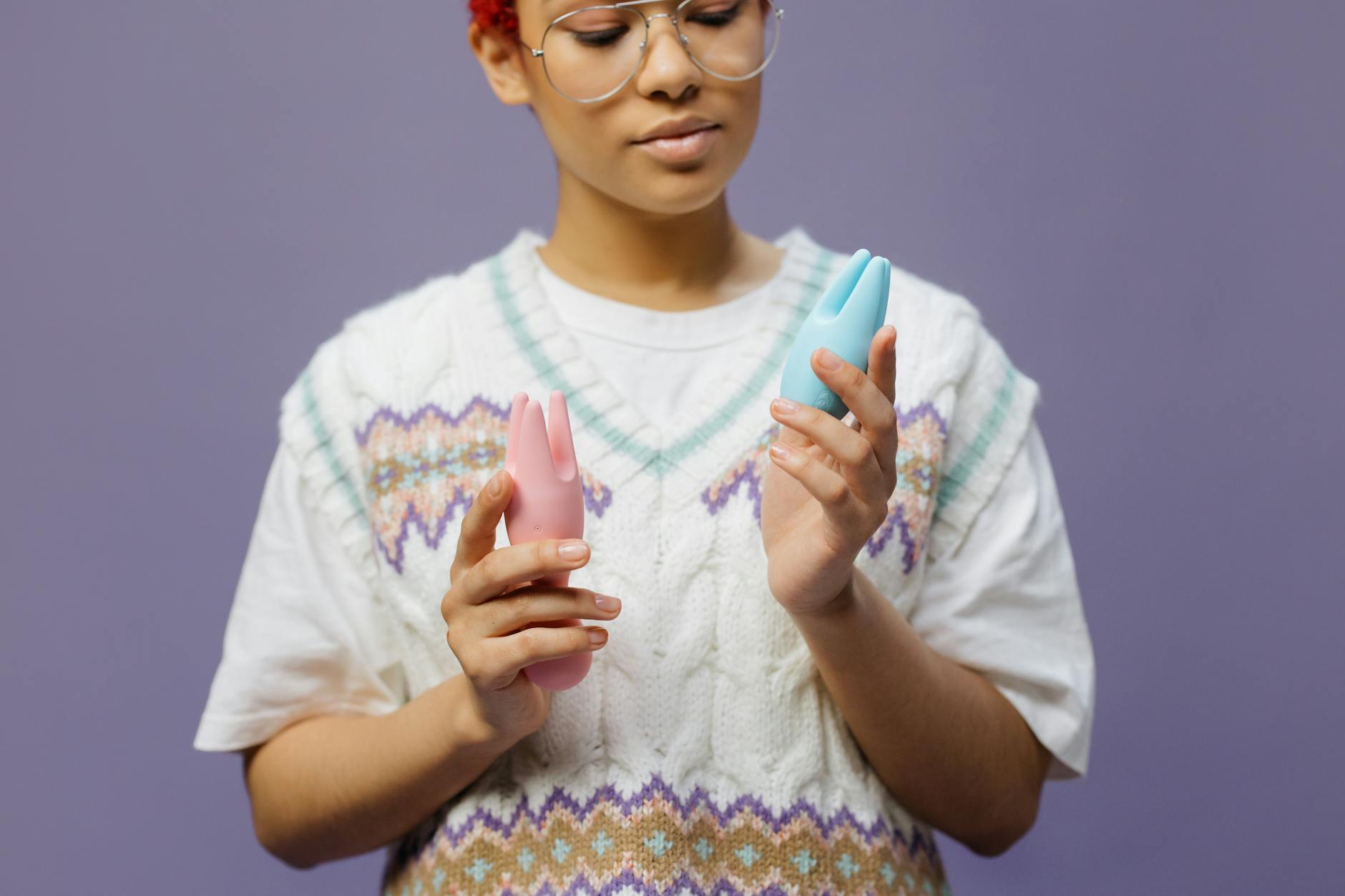
A lemon clitoral vibrator like the Lem uses suction patterns that start subtle and build gradually. Because the stimulation is distributed rather than concentrated, it doesn't overwhelm the already-heightened sensitivity many people experience during hormonal shifts. It's not about going harder. It's about a different kind of smart.
During hormonal recovery especially, your nervous system needs time to recalibrate. The suction approach allows for longer, slower buildups that work with your nervous system instead of against it. Traditional vibrators often demand that your body reach arousal at a certain speed. A lemon vibrator lets you set the pace.
Hormonal recovery isn't linear. If you've recently stopped hormonal birth control, experienced a thyroid shift, or are navigating PCOS or endometriosis, here's what I typically see in my practice:
Weeks 1-2. Your body is still flooded with residual hormones or dealing with their sudden absence. Pleasure often feels muted. Start with the lowest setting on a lemon vibrator, maybe 10 minutes max. No pressure to orgasm. The goal is reconnection, not climax.
Weeks 3-4. Some responsiveness returns. You might notice that certain times of day feel better than others. This is your hormones stabilizing. Increase duration to 15-20 minutes. Try moving between settings rather than staying on one. Pattern variety helps your nervous system stay engaged.
Weeks 5-8. Real shifts happen here. Many people report that orgasms start returning, though they might feel different. Intensity might be lower, or timing might be slower. That's normal. Your body is recalibrating and the Lem's gentler approach aligns perfectly with this recalibration phase.
Weeks 8+. By here, most people find their baseline is reshaping. Your hormones are stabilizing, and pleasure is returning. The benefit of having used a lemon vibrator during recovery is that you've trained your body to trust gentler input. That often means stronger orgasms when full sensation returns.
Three tactical things I recommend to clients rebuilding pleasure through hormonal shifts:
1. Water-based lubricant, always. Hormonal fluctuations reduce natural lubrication. A quality water-based lube isn't a sign of dysfunction. It's a tool that lets you focus on pleasure instead of friction. Pair it with your lemon vibrator and you'll notice the difference immediately.
2. Solo exploration before partnered play. You need to relearn your own landscape first. Without the pressure of someone else's timeline, you can notice what settings work, what speeds feel good, what time of day your energy is highest. Solo sessions with a lemon clitoral vibrator are your data collection phase.
3. Manage expectations about timing. Orgasms during hormonal recovery often take longer to arrive. If pre-recovery you climaxed in 5 minutes, recovery might mean 15 or 20 minutes. That's not failure. That's your nervous system doing exactly what it should be doing: taking time to fully engage. When you use a device designed for patience, like the Lem, longer sessions feel natural instead of frustrating.
Here's what nobody tells you about hormonal recovery: the psychological weight is often bigger than the physical shift. You've lost something that felt reliable, and now your body feels foreign. That grief is real, and it does impact arousal.
When you pick a lemon vibrator during this period, you're making a statement to yourself: "I'm not forcing this. I'm listening to what my body needs right now." That mindset shift matters more than people admit. Pleasure isn't about willpower. It's about permission. A tool designed for gentleness gives you permission to be patient with yourself.
Most of my clients who succeed in rebuilding pleasure during hormonal recovery do so because they stop treating the process as a problem to fix and start treating it as information to learn from. Your body isn't broken. It's just asking for a different approach.
If you're three months into recovery and seeing zero improvement in responsiveness, it's worth a conversation with a gynecologist or hormonal specialist. Sometimes hormonal imbalance is tied to thyroid dysfunction, adrenal fatigue, or other factors that need clinical attention beyond a better toy.
Pain during pleasure is also a signal to get checked. Hormonal shifts can trigger conditions like vulvodynia or vaginismus, both of which are very treatable but need professional diagnosis.
However, if you're experiencing the delayed arousal and reduced sensitivity that comes with straightforward hormonal recovery, a lemon clitoral vibrator is genuinely one of the best tools you can use. The design simply aligns with what your body needs during this season.
You're not broken. Your hormones are on a journey, and your pleasure is coming with them. The Lem and other lemon vibrators exist because some of us need a device that says, "Your pleasure doesn't require intensity to be real." Use it. Give yourself time. Notice what shifts. Orgasms come back, and often they come back richer than they were before because you learned to listen to your body.
If you're navigating this transition with a partner, consider reading about how to rebuild intimacy during hormonal shifts. Your solo discovery with a lemon vibrator is step one. Bringing your partner into the conversation is step two.
Most people see meaningful improvements within 8 to 12 weeks of hormonal stabilization. However, "normal" is deeply personal. Your post-recovery baseline might feel different from your pre-imbalance baseline, and that's okay. Some people report that orgasms take longer but feel more intense. Others find their patterns shift entirely. The timeline also depends on the cause. Stopping hormonal birth control might resolve within 2-3 months. Thyroid or PCOS-related imbalance might take longer if underlying conditions aren't addressed.
Yes, absolutely. In fact, using a lemon clitoral vibrator during hormonal instability can be helpful because it doesn't demand your body reach a specific arousal threshold. Start low, go slow, and don't pressure yourself to orgasm. The goal early on is reconnection, not climax. Many people find that gentle, patient stimulation during hormonal flux actually helps their nervous system feel safer and can speed up stabilization.
No. If anything, switching to a gentler tool during recovery often accelerates it because you're working with your body's current state instead of against it. The frustration of using a toy that no longer works for your body can actually slow recovery by creating stress and negative associations with pleasure. A lemon vibrator removes that friction.
That depends on your dynamic. If you're partnered, communication helps. You might frame it as "My hormones are shifting and my body needs something gentler right now" rather than "This is better than partnered sex." Most partners appreciate understanding what's happening biologically. If you want to explore together, you can use the Lem as part of partnered play too. Many couples find it less intimidating than traditional vibrators because the aesthetic is less clinical.
Sometimes. If the hormonal imbalance was severe or lasted a long time, or if it's tied to an underlying condition like PCOS, your pleasure landscape might be permanently shifted. That doesn't mean worse. Many people report that post-recovery orgasms are fuller, more controllable, and more satisfying. Your nervous system learns new patterns. A lemon vibrator supports this by establishing a new baseline that works for your current body, not your pre-imbalance body.
Yes. During hormonal shifts, air-suction devices like lemon vibrators often outperform traditional vibrators because they stimulate without harsh direct vibration. Your sensitivity is heightened, so gentler input feels better. As your hormones stabilize, you might find you enjoy a mix of tools. But many people stick with lemon vibrators because they've learned to love the slower, more controlled pleasure pattern. There's no going back to what doesn't work for you anymore, and that's not a loss.
Hormonal recovery is a season, not a permanent state. Your pleasure will return, often stronger than before because you've learned to listen. A lemon vibrator is the right tool for this particular journey. If you have questions about your specific situation, reach out to Hello Nancy's team for personalized guidance.