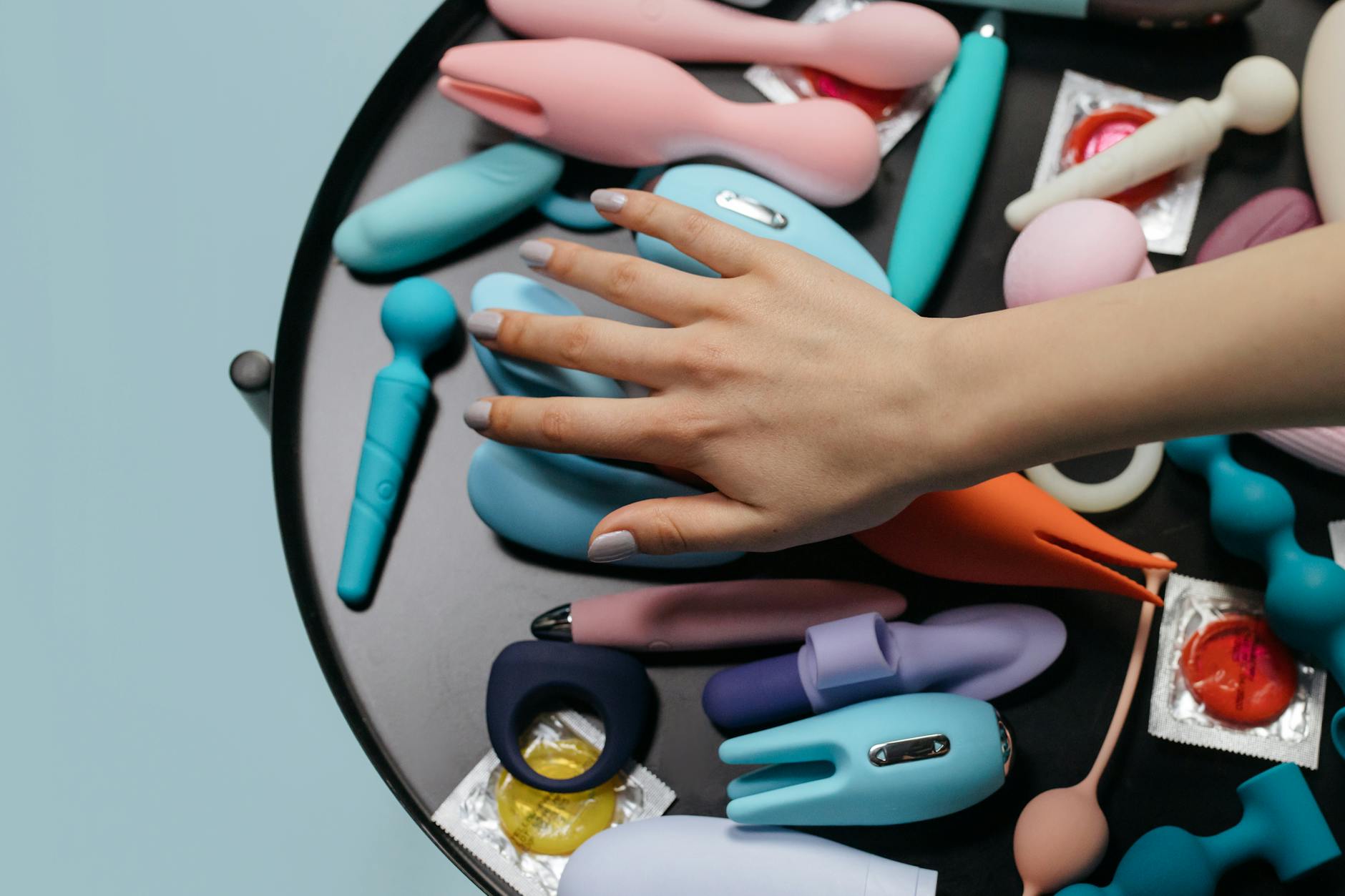
Not everyone wants the same things. Your partner might be completely comfortable with external play but hesitant about anything internal. That's legitimate. And it doesn't mean your pleasure gets to sit on the shelf.
This is where lemon clitoral vibrators actually solve a real problem. They're designed for external stimulation, which means you're not negotiating around something they're uncomfortable with. You're meeting them exactly where they are.
People have different reasons for preferring external play. Some partners worry about discomfort or feeling out of control. Others had past experiences that made internal touch feel unsafe. Some just prefer the simplicity and clarity of external sensation. A few worry about "doing it right" and external feels more straightforward.
None of these reasons are weird or problematic. And honestly, most of them disappear the second you stop treating external stimulation like the consolation prize.
Lemon vibrators are built for clitoral pleasure specifically, which means they're not a compromise. They're the main event. This shift in framing matters psychologically for both of you.
Before you even introduce a lemon clitoral vibrator, get clear on what external play looks like to your partner. Do they want to be inside you while you use it on yourself? Do they prefer you using it solo first, then they join in? Does the vibrator become part of partnered sex, or is it something separate?
These aren't weird questions. They're the difference between a great experience and an awkward one.
If they're comfortable with it, a lemon vibrator works beautifully during partnered sex. You can use it while they penetrate you (if that's something you both enjoy), or focus on it while they're beside you, inside you, or using their hands elsewhere. The clitoral stimulation from the lemon vibrator doesn't compete with penetration. It complements it.
If they prefer external partnered play without penetration, the vibrator becomes the main tool. They can watch, guide the pace, use their hands on the rest of your body, or just be present. The intimacy isn't less. It's different.
I see couples get stuck trying to find the "perfect" moment to introduce this. There isn't one. You don't need a state-of-the-union address about sexual preferences.
Simple opener: "I've been curious about lemon vibrators for clitoral stuff. Would you be open to me trying one? We could figure out what works for both of us."
If they're hesitant, ask what specifically concerns them. Is it feeling replaced? Worried they won't know what to do? Uncomfortable with toys in general? Once you know the actual worry, you can address it.
For the "feeling replaced" fear, the honest answer is: you're not replacing them. You're adding something your body responds to. Partners who worry about this often feel better once they see how a lemon clitoral vibrator actually works. It's not mysterious or threatening. It's a tool that helps you feel good.
Start simple. Use your lemon vibrator solo a few times first so you know how your body responds. Figure out which intensity setting works, how long it takes you to build arousal, what patterns feel best. You don't need to have all the answers before involving your partner, but having some baseline helps the conversation feel less abstract.
When you're ready to try together, set expectations low. This isn't about instant fireworks. It's about exploration.
If they're inside you, they can feel the vibrations through the vaginal wall. This is information for them too. They'll notice how your body responds. Many partners find this really connecting because they're literally feeling your pleasure happen in real time.
If they're not, they can touch you elsewhere. Your breasts, your inner thighs, your neck, your back. The vibrator handles the clitoral work while they create sensation and intimacy around it. This division of labor actually works better than trying to do everything at once.
Boundary setting: If something doesn't feel good, say so immediately. If the angle is off, the intensity is too much, or you just want to stop, you speak up. Your partner does the same. This isn't failure. It's information.
Lemon clitoral vibrators use suction and pulsing patterns rather than raw vibration. This means they're less likely to cause the numbing sensation that some people experience with traditional vibrators. They're also quieter, which matters if you have noise concerns.
For external-only play, this matters because your partner is presumably in the room and can hear what's happening. Some couples prefer the discrete hum of a lemon vibrator to the buzzing of a wand. It also feels less industrial, which changes the psychological experience for some people.
The sensation itself is different too. Suction-based stimulation tends to feel more focused and intense without being sharp. For people with external-only preferences, this often feels less intrusive and more controllable, which addresses a lot of the underlying concerns.
Sometimes you introduce the idea and your partner shuts it down harder than you expected. That's real and it happens. The first move is to actually listen instead of defending.
Do they think vibrators mean your relationship isn't good enough? Do they worry this means you're not satisfied? Are they comparing themselves to a toy? These are the actual fears, not the stated reason.
Once you know what they're actually worried about, you can address it. "I love our sex life. This isn't about that. I just want to explore more pleasure. That includes experiencing it with you." Sometimes you need to say the obvious thing.
If they remain uncomfortable, you have choices. You can use a lemon vibrator solo outside of partnered sex. You can table it for a while. You can suggest talking to a couples therapist about it if the resistance feels deeper. You don't get to override their comfort, and they don't get to override yours.
But most of the time, when people understand that external-only play with a lemon clitoral vibrator isn't a threat, they become curious instead of defensive.
Here's what I've seen with couples navigating this: when you stop fighting about what you can't do and focus on what you can, everything shifts. A partner who's uncomfortable with internal penetration might be wildly enthusiastic about exploring clitoral pleasure together. The boundary they set actually opens a door instead of closing one.
Your pleasure matters. Their comfort matters. A lemon vibrator designed specifically for external clitoral stimulation actually honors both. That's not compromise. That's alignment.
Start small, communicate clearly, and remember that figuring this out together is already intimate. You're learning each other's preferences, boundaries, and willingness to explore. That's the foundation. The vibrator is just the tool.
Not if you frame it correctly. A vibrator does one specific thing: it provides consistent clitoral stimulation at a pattern and intensity that's hard to replicate by hand. That's mechanical advantage, not emotional replacement. Many partners actually feel relieved to know there's a tool that helps you feel good, especially if they've been worried about "doing it right." The key is being clear that this is additive, not substitutive.
Absolutely, yes. If your partner is comfortable with penetration but wants external-only for themselves, you can absolutely use a lemon vibrator on your clitoris while they're inside you. The vibrations actually enhance the sensation of penetration for many people. Just communicate about it first so there are no surprises during the moment.
You get to make your own choices about solo play. You don't need their permission to explore your own body and pleasure. That said, if this difference in desire is big, couples therapy can help you both feel heard. A therapist can help you find the actual fear underneath the "no toys" boundary and work with that instead of fighting about the toy.
Lemon clitoral vibrators are specifically designed for external use. They're built for clitoral stimulation using suction and pulsing patterns rather than full vibration. For partners who prefer external-only dynamics, this actually feels less invasive and more controllable than traditional vibrators. Start with a lower intensity setting and work up from there.
Both work, depending on what feels right. Some partners love being hands-on and controlling the intensity and pattern. Others prefer to watch or focus on touch elsewhere on your body while you operate it. Neither is "better." It's about what creates connection and pleasure for both of you in that moment. Talk about it and experiment.
Then you don't do it again. A toy isn't an investment you have to keep using. If something doesn't work, file it away and explore something else. The experimentation itself is valuable because you both learn more about what you actually like. Sometimes "not this" is just as useful as "yes, this."
Partner preferences around external-only play don't have to limit your pleasure. They just change the shape of how you explore it. A lemon clitoral vibrator is designed for exactly this kind of play, which means you're not improvising around boundaries. You're working with them.
Start the conversation without pressure. Listen to what your partner actually cares about. Use what you learn to figure out what works for both of you. Most of the time, couples who navigate this honestly end up with more intimacy, not less.