Lubrication changes. It's not dramatic, it's not something you caused, and it absolutely doesn't mean you should stop using lemon vibrators or any toy you love. What it means is that you're going to get better results if you understand what's happening and adjust your technique.
I work with couples in their 40s and beyond constantly, and this conversation comes up in nearly every session. The script usually sounds like: "It feels different now" or "I need something I didn't need before." That's not a sign something's wrong. That's a sign you're ready for the next level of self-knowledge.
Estrogen levels drop gradually starting around age 40, even years before menopause officially hits. That affects vaginal tissue directly. The cells that produce natural lubrication are estrogen-dependent, so less estrogen means less of that slick feeling that used to happen automatically.
But here's what's wild: this can happen even if you're still cycling normally. Stress, medication, sleep deprivation, and alcohol can all lower estrogen temporarily. Some birth control formulations do too. So lubrication changes don't always mean you're entering menopause. They often just mean your body is telling you it needs a different kind of support.
The tissue itself gets thinner as estrogen drops. That matters because thinner tissue is more sensitive to friction. Using a lemon clitoral vibrator with the wrong lubricant (or no lubricant) on thinner tissue can actually create irritation instead of pleasure.
Water-based lubricants are your first line of defense.
Water-based lubes are the gold standard for silicone toys. Lemon vibrators are silicone, so water-based is always your starting point. Brands like Sliquid, Uberlube, and Yes are good options because they're hypoallergenic and they don't degrade silicone.
Why not silicone-based? Silicone lube is richer and longer-lasting, but it breaks down silicone toys over time. You'd be choosing short-term comfort over equipment longevity.
Hyaluronic acid lubes are newer and worth trying if regular water-based feels too thin. They're water-based but formulated to stay wetter longer. They're especially useful if you find you need to reapply frequently.
Oil-based lubes are generally a no unless you're using a glass or stainless steel toy, which lemon vibrators aren't.
Apply it directly to the toy, not just to your body. A small amount on the head of the lemon sucker goes a long way because the suction mechanism needs clean contact with your skin.
Wait 30 seconds after application before you start. Water-based lube needs a moment to warm up and distribute. It's counterintuitive, but cold lube dulls sensation.
Start at low intensity. Settings 1 and 2 on your lemon clitoral vibrator are probably where you'll live now, whereas you might have used 4 or 5 before. Thinner tissue is more reactive to intensity. That's not weakness. That's actually an opportunity to explore subtlety you might have skipped before.
Reapply lube midway through if you're going longer than 10 or 15 minutes. Water-based lube dries faster than your body's natural lubrication used to. That's fine. Just keep a small bottle nearby.
Your body needs longer to produce whatever natural lubrication it still can. That means foreplay isn't optional anymore. It's essential.
Spend 15 to 25 minutes on arousal before you introduce the toy. That sounds like a lot compared to how sex worked when you were 25, but it's actually where the texture and depth come back. Your body is slower to respond, but when it does, the response is often deeper.
If you have a partner, this is actually a gift. Foreplay without a toy gives you both permission to slow down. Skin-to-skin touch, conversation, kissing. The toy becomes an enhancement, not the main event.
If you're solo, give yourself that time. Read erotica for 10 minutes. Watch something that makes you want to touch yourself. Listen to a playlist that reminds you why your body matters. Lemon vibrators work best when you're genuinely aroused, not when you're just trying to get to the finish line.
If lube and technique adjustments aren't enough, a topical estrogen cream is worth asking your doctor about. Options include Estrace, Premarin, and Vagifem. These are applied directly to vaginal tissue, not systemic. Absorption is minimal, and they're extremely effective at thickening tissue and restoring natural lubrication within 2 to 3 weeks.
They're also not controversial. Your GP can prescribe them, and many insurance plans cover them. The hesitation most people feel is usually just misinformation about hormone therapy.
Other options include vaginal DHEA (prasterone), which is sold over-the-counter as Intrarosa. It takes longer to work than topical estrogen, usually 6 to 8 weeks, but it's available without a prescription.
If you're on hormonal birth control, talk to your prescriber about whether it's contributing to dryness. Sometimes switching formulations helps significantly.
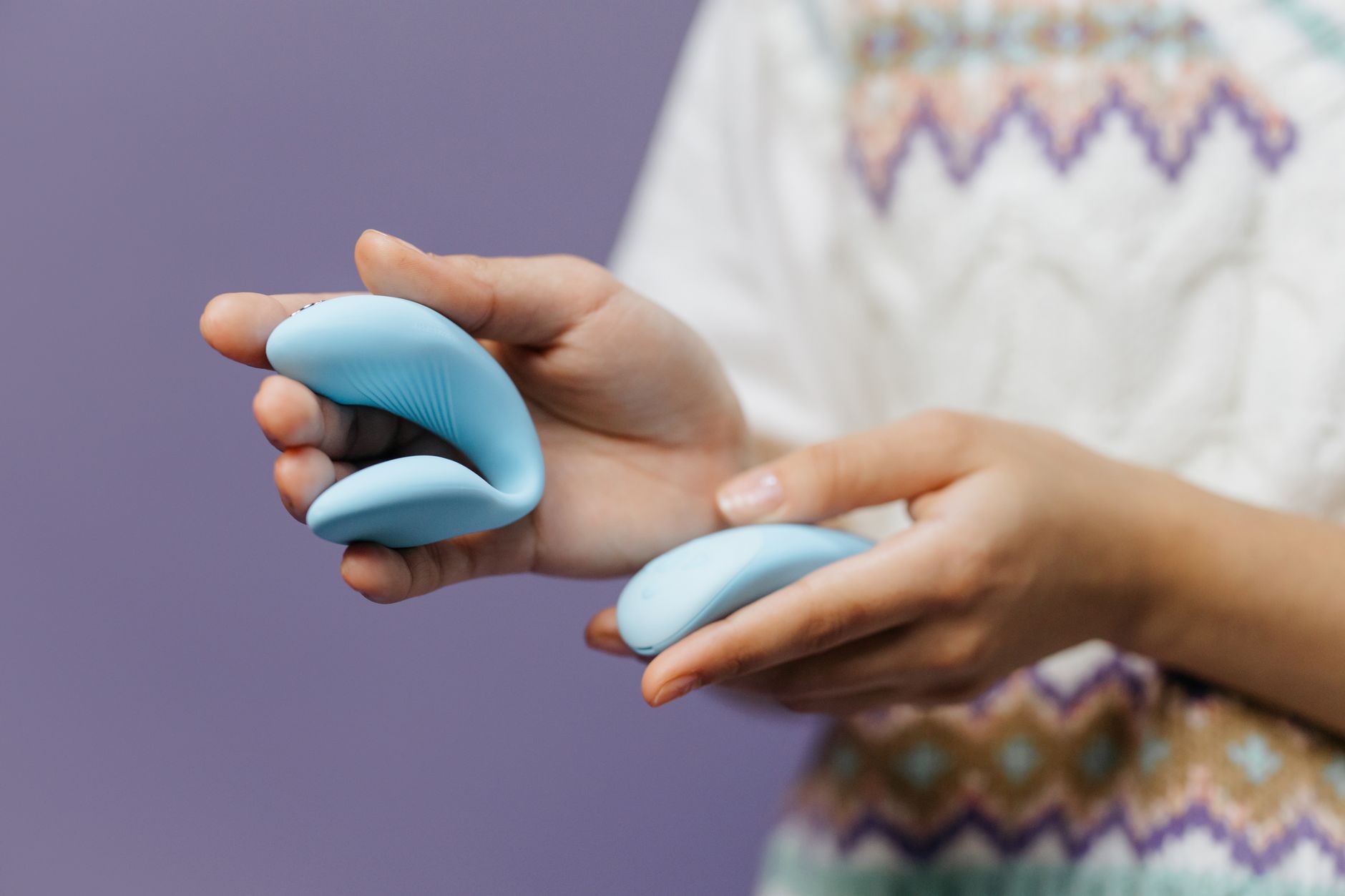
The suction action of your lemon clitoral vibrator is actually ideal for age-related changes. Because it works via gentle suction rather than direct vibration, it doesn't require the same amount of lubrication that a traditional vibrator does. That's a real mechanical advantage.
You might notice that the sensation feels more localized now. That's because thinner tissue is more sensitive to the exact location of the suction. That's not worse. It's often more precise.
Orgasms might feel shorter or less intense in the moment, or they might feel exactly the same. This varies wildly person to person. What matters is how you feel afterward. Many people report that post-40 orgasms feel more grounded and satisfying, even if they look different.
Coconut oil feels amazing, but don't use it with silicone toys. Oil breaks down silicone over time, and you'd be looking at replacing your toy much sooner. Stick to water-based unless you're using glass or stainless steel toys. The temporary comfort isn't worth shortening the lifespan of something you love.
Water-based lube dries out faster than oil-based, especially once it's been opened. A bottle stays fresh for about a year after opening if you keep it in a cool place. If it smells off or looks separated, toss it. But you don't need to replace it between sessions. A small bottle lasts quite a while because you're only using a little bit per session.
No. If anything, it means you're paying attention. Some people use lube in their 20s. Some don't need it until their 50s. The difference isn't a character flaw. It's just biology. And honestly, using lube means you get to spend more time exploring what feels good instead of rushing through discomfort.
This comes up a lot. Here's the reframe: lube is a tool, not a failure. It's like using glasses to read or a hearing aid to listen. Your partner using lube with you isn't a problem you caused. It's information about what your body needs right now. If your partner is making you feel bad about it, that's a relationship issue worth addressing separately. Your pleasure matters more than their comfort with change.
It can be, especially after full menopause when estrogen stays low long-term. But it's also highly manageable with the right combination of lube, topical treatments if you choose them, and sometimes lifestyle shifts like reducing stress or adjusting medications. "Permanent" doesn't mean "unchangeable." It just means you're working with a new baseline.
Not necessarily. Pick one water-based lube that feels good to you and stick with it. Your body will adjust, and you'll know exactly how much you need and how often. Switching brands constantly can actually make it harder to figure out what's working because you're always adjusting to a new texture.
Lubrication changes are one of the few inevitable physical shifts that come with age. But they're also one of the easiest to manage. Water-based lube, longer foreplay, and honest conversation with yourself and your partner are usually all you need.
Your lemon clitoral vibrator isn't going anywhere. Your pleasure isn't either. You're just entering a phase where you know more about what your body needs and you're willing to ask for it. That's actually a superpower.
If you want to explore other approaches to pleasure as your body changes, we're here to help. Reach out anytime.