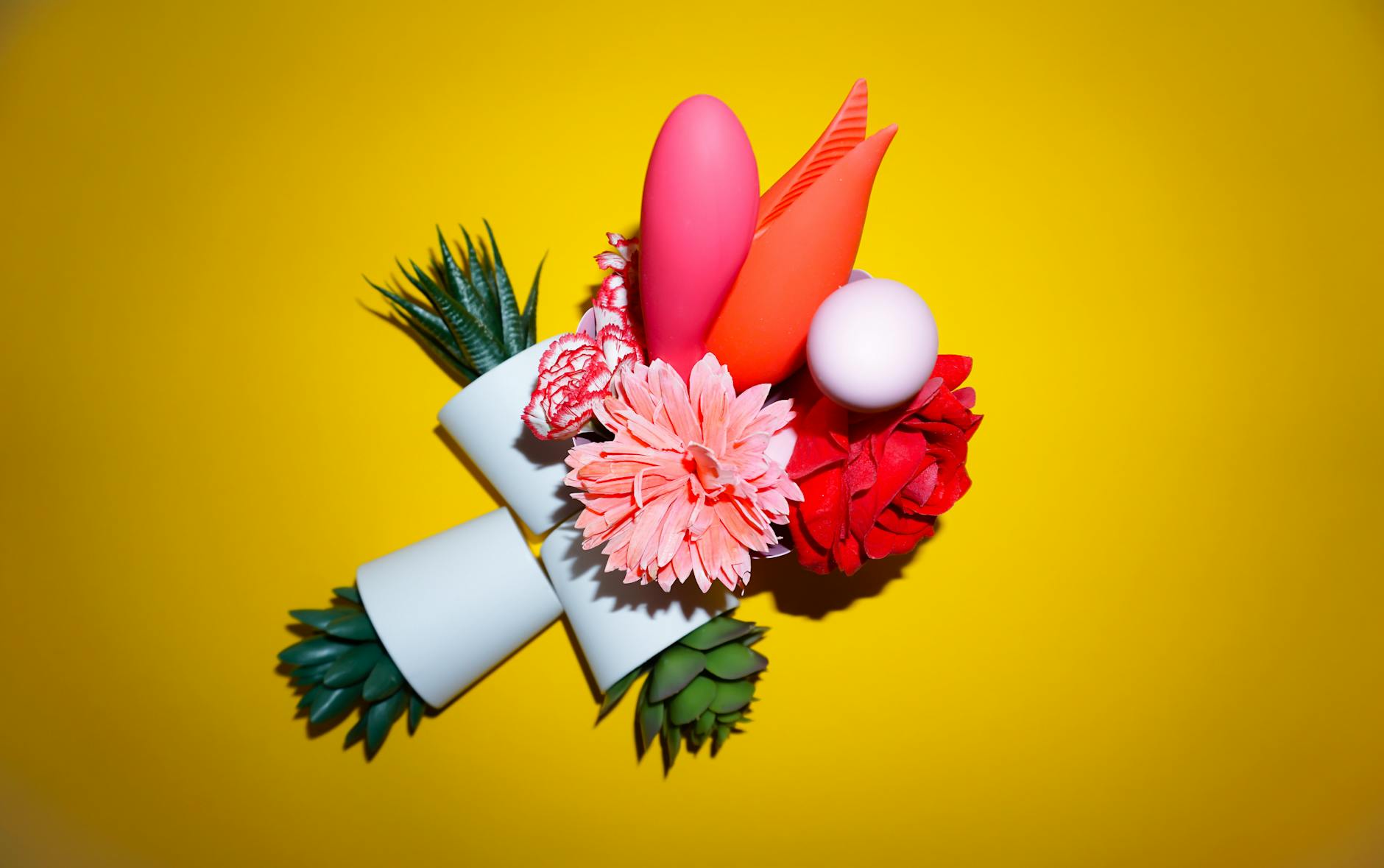
How to Use Lemon Vibrators for Increased Pleasure When Recovering from Pelvic Floor Dysfunction
Pelvic floor dysfunction doesn't mean goodbye to sensation. Here's how to safely reintroduce clitoral vibrators, rebuild feeling, and reclaim pleasure at your own pace.
Pelvic floor dysfunction sucks. It's frustrating, it's painful, and it often means putting pleasure on pause while you do the work of healing. But here's what nobody tells you: recovery doesn't have to be a complete sexual blackout. With the right tools and approach, you can rebuild sensation and reconnect with pleasure while your pelvic floor heals.
Let's back up. Your pelvic floor is a group of muscles that support your bladder, uterus, and bowel. When these muscles are too tight (hypertonic), too weak (hypotonic), or just plain dysfunctional, sex becomes painful, orgasms feel impossible, or sensation shuts down entirely. Many people with pelvic floor issues describe feeling numb or disconnected from their body.
Physical therapy can help. So can breathing work, stretching, and time. But the emotional weight is real too. You've lost access to a part of yourself that mattered. Reintroducing pleasure often feels impossible or even risky.
The good news? Clitoral vibrators like lemon vibrators can actually support your recovery if you approach them carefully.
Lemon clitoral vibrators use suction and gentle pulsing rather than direct vibration, which matters hugely during recovery. Here's why.
When your pelvic floor is tight or irritated, direct vibration can trigger tension patterns you're trying to release. Suction-based stimulation, by contrast, engages nerves without the same muscular demand. It feels gentler while still delivering real sensation.
The Lem vibrator's design is particularly useful because it works on the clitoral complex without requiring internal muscle engagement. You're stimulating nerves, not fighting against tension.
If you've been cleared by your pelvic floor physical therapist to begin gentle sexual activity, here's the staged approach I recommend:
Week 1: Sensation mapping without the toy. Spend 5-10 minutes exploring your own touch. No goal, no expectation of orgasm. Just notice what you can feel. This seems basic, but it rebuilds your nervous system's sense of safety.
Week 2: Introduce the lemon vibrator on the lowest setting, no lubrication. Place it on your clitoris for 30-60 seconds at a time. Don't try to climax. You're just reacquainting your body with external stimulation. Stop if you feel tightening, pain, or anxiety.
Week 3-4: Increase duration and add water-based lubricant. Longer sessions, but still on low. The lube reduces any friction and signals to your nervous system that this is safe, pleasurable contact.
Month 2 and beyond: Experiment with patterns. Most lemon vibrators have multiple settings. Once baseline comfort is established, try different intensities to find what your recovering body actually enjoys.
This timeline isn't universal. Some people need more time. Some progress faster. The point is: gradual beats rushed every single time.
Pelvic floor dysfunction is often tangled up with psychological tension. You might feel anxious about pain returning. Your body might brace in anticipation before anything even happens. This is completely normal and incredibly common.
When you're reintroducing any stimulation, anxiety can sabotage progress. Here's what helps.
First, use lemon vibrators in a context where you feel totally safe. Not rushed. Not performing for anyone. Many people find solo sessions easier initially because there's zero pressure to achieve anything.
Second, breathe consciously. Pelvic floor tension thrives on shallow, held breath. Before and during use, try box breathing: inhale for 4 counts, hold for 4, exhale for 4, hold for 4. Repeat 5-10 times. This signals safety to your nervous system and helps muscles relax.
Third, have an exit plan. If you feel pain, tightness, or discomfort, stop immediately. This isn't failure. It's information. Your body is telling you something's not ready yet.
Many people want to resume partnered pleasure during recovery but feel vulnerable or scared of judgment. This is worth naming directly with your partner.
If you want to include a partner, here's what works.
Start by using the lemon vibrator solo while they're present but passive. They're in the room, maybe nearby, but not touching or directing anything. This lets them see that pleasure is returning while you maintain complete control.
When you're ready, they can learn how to operate the toy on your body. The key here is communication. Tell them exactly what you want. "Lower setting on the left side" is clearer than hoping they'll intuit it. This removes guessing and keeps the experience grounded in your actual needs.
Many couples find that the reintroduction period becomes its own form of intimacy, not a substitute for what was lost. There's something powerful about rebuilding pleasure together.
Sometimes you use the lemon vibrator and feel a flare-up. Increased pain, urgency, or tightness. This happens. It doesn't mean you've failed or that recovery is off track.
When a setback occurs, here's the protocol.
Step back to the previous stage. If you were on setting 3 and got tightness, go back to setting 1. Give your pelvic floor 3-5 days to settle before trying again.
Chat with your physical therapist. They need to know about setbacks because they can adjust your overall recovery plan. Sometimes pelvic floor tension flares for reasons unrelated to toy use—stress, hormonal changes, holding tension elsewhere in your body.
Don't shame yourself. Setbacks are part of recovery, not a sign that you're doing something wrong.
Once you're consistently comfortable with low-setting lemon vibrator use and arousal is happening again, you can experiment more.
Try different angles. The clitoral complex extends internally in a wishbone shape. Coming from the side rather than directly on top sometimes feels less intense while still delivering sensation.
Experiment with rhythm and pressure. Some people discover they enjoy longer pulses instead of rapid taps, or vice versa. Recovery is a great time to learn what your body actually prefers rather than defaulting to old habits.
Consider combining tools. Water-based lubricant makes everything feel different. Some people enjoy alternating between the lemon vibrator and hand touch. Others discover that a specific setting combined with breathing creates a whole new experience.
The point is: you're not just recovering to get back to where you were. You're rebuilding pleasure intentionally.
As your pelvic floor heals, sensation changes. Your body has neurological memory of what pleasure felt like before dysfunction, and the recovery process rewires that.
This isn't magical thinking. It's neural plasticity. When you deliberately rebuild pleasure slowly and with intention, you're literally creating new neural pathways. That often translates to more nuanced, embodied sensation.
If you're experiencing ongoing pain, numbness that doesn't improve, or intense anxiety around sexual activity even after months of careful reintroduction, you need professional support.
A pelvic floor physical therapist should be your first stop. They can assess whether there's a physical reason pleasure isn't returning.
A therapist trained in sex therapy or trauma-informed work can help if anxiety is the barrier. Pelvic floor dysfunction sometimes creates psychological blocks that linger even after physical recovery.
There's no shame in needing help. Recovery often requires more than just time and a good toy.
Probably not yet. If you're in active pain during daily activities, penetration, or existing muscle tension is severe, wait until your physical therapist gives you the green light for sexual activity. Using a toy too early can delay overall recovery and create negative associations.
If you feel increased tightness during or immediately after using the lemon vibrator, you've pushed too far. If pain lingers for hours afterward, same story. The sweet spot is gentle stimulation that you can handle comfortably without aftermath.
Once you've done a few sessions without lube and feel comfortable, adding water-based lubricant usually helps. It reduces friction, which can feel less intense for recovering tissue. Plus, it signals to your nervous system that this is care, not demand.
Not if you're communicating clearly and stopping when anything hurts. In fact, many people find that the emotional connection of partnered pleasure supports psychological recovery, which supports physical healing. The key is removing pressure to perform.
Numbness is common with pelvic floor dysfunction. You might not feel much for weeks or even months. Keep using the toy consistently on low settings and focus on the sensation you can detect, however subtle. Sensation often returns gradually rather than suddenly.
There's no standard timeline. Some people see improvement in 6-12 weeks. Others take 6-12 months or longer. It depends on severity, consistency with physical therapy, stress levels, and other factors. Your therapist can give you a more personalized estimate.
Pelvic floor dysfunction is a real, physical condition that deserves proper treatment. But it's also temporary. And pleasure doesn't have to stay off the table while you heal.
With patience, the right tools like lemon clitoral vibrators, and a clear protocol for reintroduction, you can rebuild sensation and reclaim that part of yourself. Start slow, listen to your body, and know that setbacks are part of the process, not the end of the story.