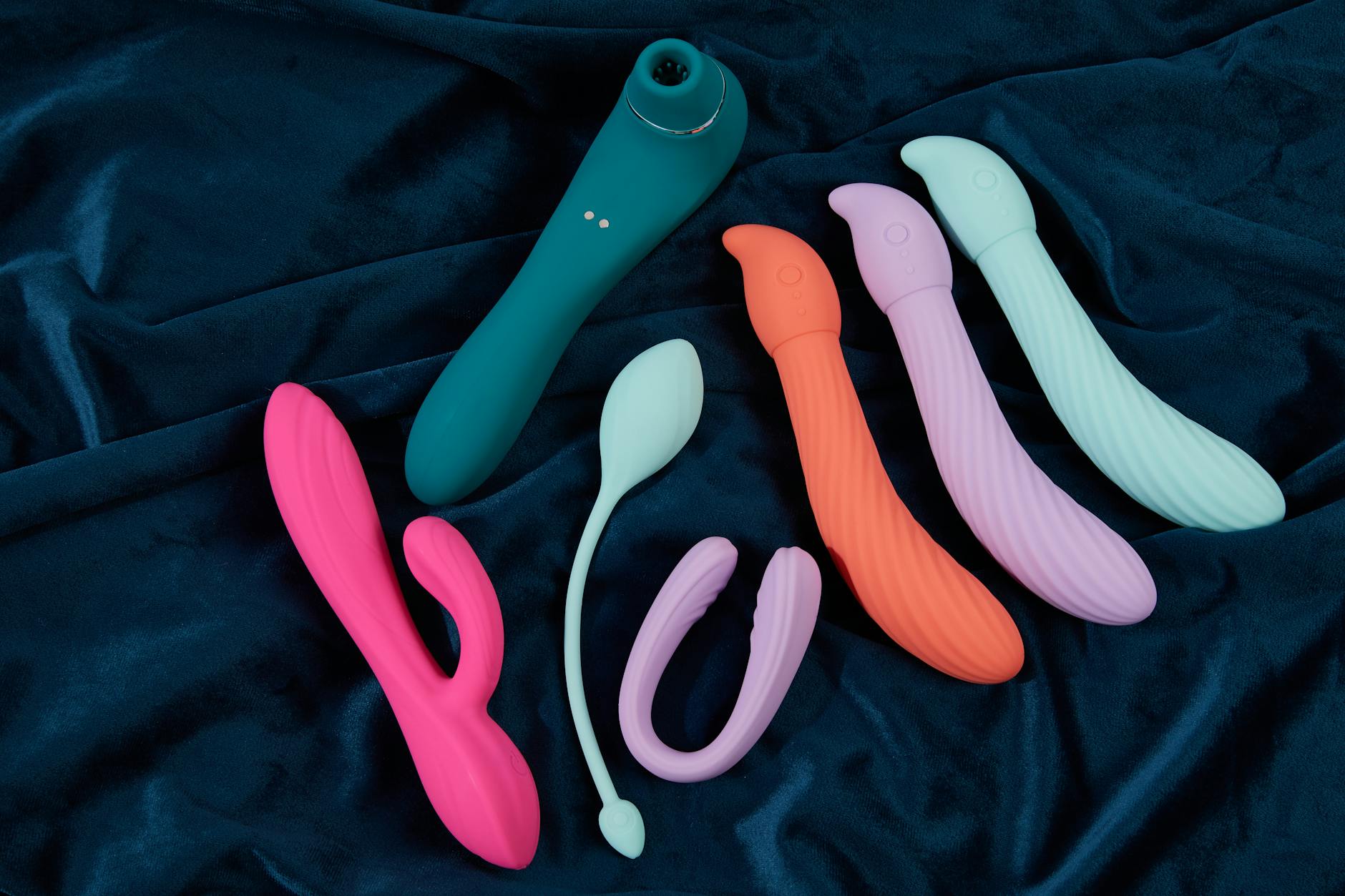
The short answer: yes, but only if you approach it the right way. A lemon clitoral vibrator can be an incredible gift for your partner. It can also be a landmine if you're not thoughtful about the conversation first.
The difference between a gift that lands as "I see you, I want to explore this with you" versus "I think you need to fix something" is everything. Let me walk you through when it works, how to frame it, and what actually ruins the moment.
Here's what I hear from couples in sessions. One partner wants to gift a toy and freezes because they're worried it will land as criticism. "Will they think I'm not satisfied?" "Will they feel like I'm calling them inadequate?" "What if they think I've been wanting this for years and just didn't tell them?"
The other partner sometimes interprets a toy gift as pressure. "Does this mean they want me to be more adventurous?" "Are they bored with me?" "Is this their way of asking for something they're afraid to say?"
Neither of these readings is inevitable. They're just the default when the gift lands without context. That's why the conversation matters more than the gift itself.
1. You've already talked about toys. You've had the conversation about pleasure, exploration, and curiosity. You both know this isn't coming out of nowhere. A lemon vibrator or any clitoral vibrator feels like "let's actually do this" instead of "let me surprise you with my secret agenda."
2. You're celebrating a shift in your relationship. Maybe you've been working on connection, you've read something together, you've had therapy, or you've just decided this season feels different. A vibrator gift can mark that as intentional. "I want us to explore together" is a statement when it's tied to something real.
3. Your partner has explicitly expressed interest. They've mentioned curiosity, they've looked at toys online, they've asked questions. You're not introducing the idea. You're saying yes to something they already wanted to explore.
Three situations where it usually doesn't land well:
1. No conversation first. You wrap it, you surprise them, you hope they'll be excited. Most of the time they'll be confused or hurt instead. Toys need context. Period.
2. You're frustrated with your sex life and hoping the toy fixes it. If there's resentment, disconnection, or you haven't actually talked about what's missing, a vibrator won't solve that. It'll just be a reminder of the conversation you're avoiding. Get the conversation first.
3. You gift it casually, like it's no big deal, then get weird about it. If you hand them a lemon clitoral vibrator and then don't look them in the eye or change the subject, you've just sent the message that you're ashamed. Your comfort matters too.
Honestly? Start somewhere neutral. Not in bed, not right before sex, not when you're both tired.
"I've been thinking about us exploring something together. I'm curious about toys, and I think it could be fun for us. I'm wondering if you've ever thought about it."
Then listen. No selling, no pressure. If they say no, that's information. If they say maybe, that's an opening. If they say yes, great. Now you can talk specifics.
A lemon vibrator is a good entry point because it's focused. You're not talking about "all the things we could try." You're talking about one specific tool that's built for clitoral pleasure. That's less overwhelming.
You could say: "I read that lemon vibrators work really well because they use suction instead of just vibration. I'm curious if that's something you'd want to try together."
Or: "I saw these toys that are supposed to feel really different. I think it could be nice to explore something new. What do you think?"
The key is: it's collaborative. You're not giving them something they didn't ask for and hoping they'll like it. You're saying this is something you want to do together.
Don't gift it on a special occasion if there's been no conversation. Birthdays, anniversaries, holidays. Those carry weight. A toy gift on a major occasion without setup reads as significant in a way that can feel awkward.
Instead, gift it after you've had the conversation. "I was thinking about what we talked about, and I picked this up. Want to try it together this weekend?"
Or don't make it a gift at all. Browse together. Let them choose. I've seen couples have the most fun when they go shopping online together, laugh about options, and pick something neither of them would have chosen alone. That's foreplay in itself.
If you're going to gift a toy, a lemon clitoral vibrator is genuinely a solid choice. Here's why.
They're straightforward. You're not introducing someone to something confusing or complicated. It's intuitive. Most people with a clitoris can figure out what's happening in about thirty seconds.
They're not intimidating. Compared to some toys, a lemon vibrator is visually approachable. It's not huge, it's not aggressive. It's designed for precision pleasure, not drama.
They work. And that matters. If you gift something that feels mediocre or uncomfortable, it becomes a visual reminder of a weird moment. You want the gift to actually feel good so the memory associated with it is positive.
They're accessible in terms of price point. You're not dropping several hundred dollars on a whim. A lemon vibrator is an investment in exploration, not a statement piece.
This is where a lot of couples miss an opportunity. You've gifted the toy, you've used it, now what?
Check in. "How did that feel for you?" "Did you like it?" "Want to do this again?" "Anything you want to try differently next time?"
These conversations are where the real intimacy lives. Not in the toy itself, but in the willingness to ask what your partner actually felt and to build on that.
If they didn't love it, that's not a failure. That's information. "It wasn't quite what I expected, but I liked the idea of exploring with you" is a win. You've said yes to something together. That's the gift, actually. The toy is just the vehicle.
If they loved it, great. Talk about what worked. Build on it. This is how couples actually deepen their connection over time. Not in a single perfect moment, but in the small, honest conversations after.
Don't gift a vibrator if your relationship is on rocky ground. If you're not communicating, if there's resentment, if you're hoping this will magically fix things. Toys don't fix relationship problems. They enhance connection that already exists.
Don't gift it if you haven't been physically intimate in a long time and you're hoping this is the restart button. That's putting too much weight on an object. You need to reconnect first, then explore together if that feels right.
Don't gift it if you're gifting it from a place of shame or discomfort. If you sneak it to them, if you can't say the word vibrator, if you're avoiding eye contact while handing it over. Your own comfort with sexuality matters. Your partner will feel that discomfort, and it will color the whole experience.
A lemon vibrator makes a thoughtful, exciting gift when it's part of an intentional conversation, not a surprise that comes out of nowhere. The gift works because you've already decided together that this is something you want to explore. The toy is just the tool that makes that exploration possible.
The real gift is saying: "I want to be curious with you. I want to figure out what feels good for both of us. I'm not ashamed of this, and I hope you aren't either."
That's worth so much more than the vibrator itself.
How do I bring up the idea of using a toy with my partner without making it weird?
Start by normalizing the conversation. You could mention something you read, a podcast episode, or just say "I've been thinking about us trying something new together." The key is not to lead with the toy. Lead with the desire to explore with your partner. Then toys become a natural next question, not an ambush. Pick a calm moment, not right before sex, and be clear that this is about wanting to deepen things together, not fixing anything.
What if my partner says no to using a toy?
That's their boundary and it deserves respect. Don't push, don't pout, don't make them feel bad about it. You can ask if they'd be open to it in the future, but then you need to genuinely let it go. Pressuring someone into something sexual is how relationships erode trust. If this is really important to you and they're a hard no, that might be something to explore in couples therapy. But the answer "no" is valid and that's where the conversation ends.
Is it better to buy the toy myself or to shop together?
Shopping together is almost always better. It removes the surprise element, it gives you both agency, and it opens up a playful conversation about what appeals to each of you. You learn something about what your partner is drawn to. You get to laugh together. You're not left guessing whether you picked the right thing. It's collaborative, which sets a better tone than a unilateral gift.
How do I know if a lemon vibrator is the right toy for my partner?
The best toy is one that your partner wants to use. If you shop together, you'll get a sense of what appeals to them. If you're buying it yourself, lemon clitoral vibrators are a safe bet because they're intuitive and effective for most people with a clitoris. But here's the thing: there's no universally "right" toy. You might buy one and realize your partner prefers something else. That's not a failure. That's just learning what works for your bodies and preferences together. See why shopping together is better?
Should I be offended if my partner doesn't use the toy after I gift it?
No. People have all kinds of reasons for not using a gift right away. Maybe they're nervous. Maybe they need more time to warm up to the idea. Maybe they prefer to explore it without pressure. Don't make it about whether they value your gift. Instead, ask what would make them feel more comfortable. "I'm not trying to pressure you. I just want to understand if there's something that would help you feel more at ease with this."
What if we use it and it doesn't feel good for my partner?
That happens. Toys don't work for everyone, and that's completely normal. The conversation matters more than the outcome. "That didn't feel like what you wanted. What would feel better?" From there you can adjust, try a different toy, or just move on. The fact that you tried something together is the win. The specifics are less important.
If you're just getting started with toys, our buying guide walks you through the basics. And if you want to explore with a partner, our piece on how to use a lemon vibrator with a partner gives you practical next steps once you've had the conversation.
Have questions about fit, function, or anything else? Reach out. We're here to help you explore with confidence, not judgment. That's what Hello Nancy is all about.