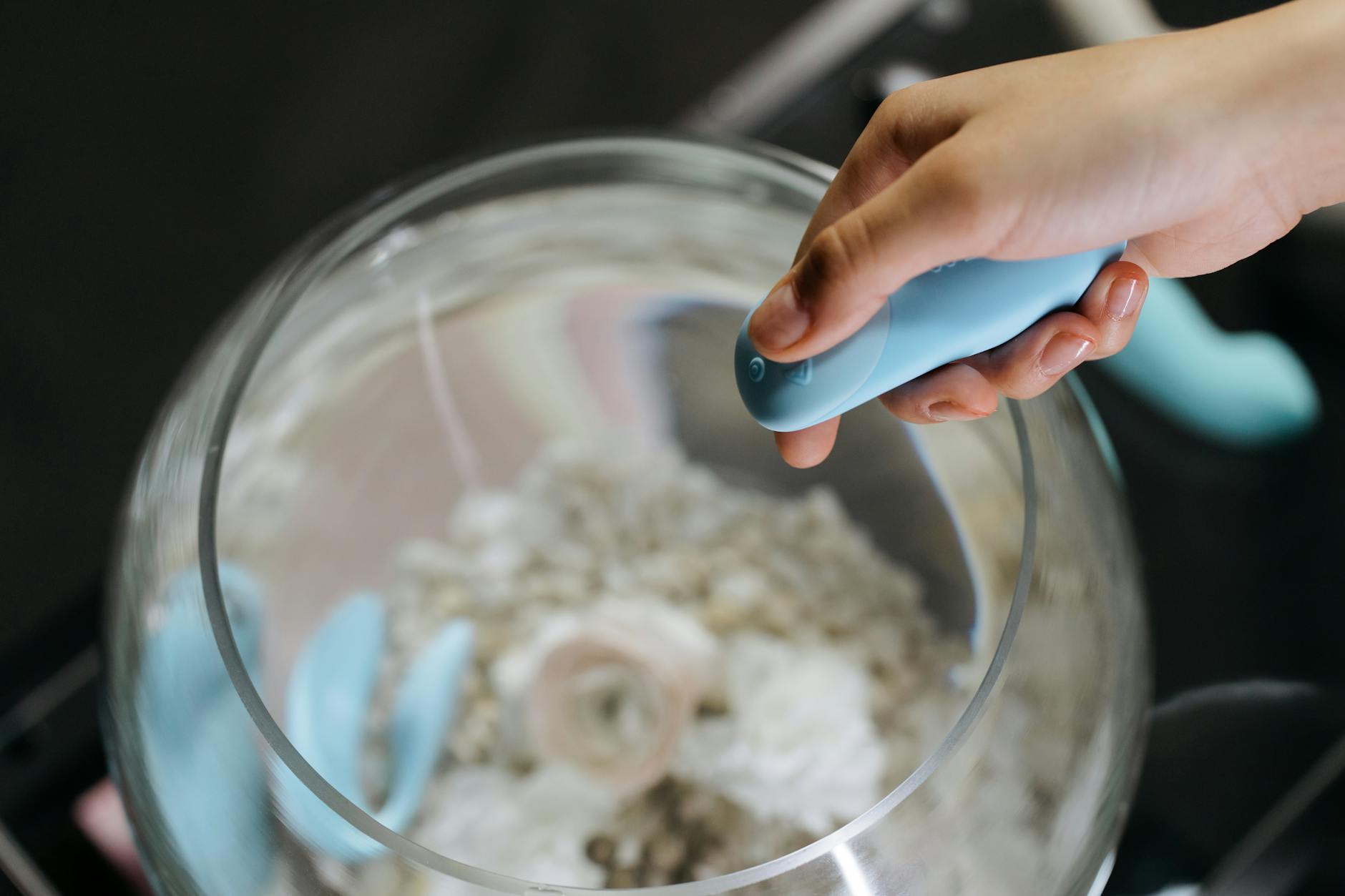
Can Lemon Vibrators Improve Intimacy for Couples After Infidelity
Infidelity destroys trust. Rebuilding physical intimacy feels impossible. Here's how couples are using lemon clitoral vibrators to reconnect with vulnerability, pleasure, and each other.
Let's be real. When infidelity happens, most couples therapy focuses on the emotional rebuild. Trust work, communication work, understanding what went wrong. All essential. But here's what almost nobody talks about: the body doesn't heal on the therapist's timeline.
After infidelity, physical intimacy becomes this loaded minefield. Too much pressure to "make things work." Too much shame on one side, too much resentment on the other. Touch itself becomes a symbol of everything that broke, rather than a path to fixing it.
Lemon vibrators (and lemon clitoral vibrators specifically) are quietly becoming a tool some couples use to sidestep that trap entirely. Not as a cure. Not as a magic fix. But as a way to introduce pleasure back into the relationship without the weight of "proving" something to each other.
Physical reconnection after infidelity typically follows a predictable pattern that usually doesn't work. The unfaithful partner tries to initiate sex to "prove" they want their partner. The betrayed partner either accepts out of obligation or refuses, either of which deepens the disconnect. Sex becomes performance, not pleasure. Stakes get higher. Both people tense up.
This dynamic makes sense neurologically. The betrayed partner's nervous system is in a threat response. Their brain is scanning for evidence of deception, checking facial expressions, monitoring tone of voice. Arousal requires a relaxed nervous system. You cannot be both vigilant and vulnerable at the same time.
The unfaithful partner, meanwhile, carries shame. Sex feels like they're either asking for forgiveness they don't deserve or admitting they don't care about the hurt they caused. Either interpretation feels wrong.
So physical intimacy stalls. And a couple that already can't trust each other now can't touch each other either.
Here's where a tool like a lemon clitoral vibrator shifts something subtle but important. Instead of sex being about "us reconnecting" (loaded), it becomes about "exploration together" (neutral). Instead of one partner trying to satisfy the other (performance), both partners are focused on sensation and response (presence).
When I work with couples in recovery from infidelity, I sometimes suggest introducing a sex toy into their intimacy gradually, but only after some groundwork is done. Not immediately. Trust has to inch forward first. But once there's even small movement, a lem vibrator or similar clitoral vibrator can help.
Why these tools specifically. Air-suction vibrators like the Lemon create sensation that doesn't require penetration, so there's less association with traditional sex (which often carries the weight of "that's what went wrong"). They're also controllable by the person using them, which means the receiving partner maintains agency. That matters after infidelity. Control, choice, and safety are the foundation of rebuilding trust in your body.
Three mechanisms I see play out repeatedly with couples:
1. Curiosity replaces obligation. When a couple introduces a lemon clitoral vibrator together, the focus shifts from "do we still love each other" to "what does this feel like." That smaller question is answerable. It's also significantly less threatening. You're not fighting for the relationship. You're just exploring sensation together. That lightness matters.
2. The receiving partner stays in control. A lemon vibrator is held and directed by the person experiencing it. Nobody is doing something "to" someone else. You're choosing what you want, and your partner is witnessing that choice. That agency is powerful after betrayal, when many people feel like their boundaries were violated.
3. Pleasure becomes visible. Lemon sexual toys create obvious, undeniable physical response. You can't fake arousal with an air-suction vibrator the way you might during partnered sex. That honesty can be oddly reassuring. If your partner is experiencing pleasure with you, that's real data. Not interpretation. Not hope. Real.
Timing is everything. Don't bring this up during a therapy session or a serious talk about the infidelity itself. Instead, pick a moment when things are genuinely lighter. You've had a laugh together. You're not in conflict.
The conversation might sound like this: "I've been reading about ways couples reconnect after hard things, and I found something that sounds interesting. It's not about fixing anything overnight. It's just a way to explore pleasure together without the pressure of everything else. Would you be open to learning more?"
Notice what's absent here. No blame. No "we need to" language. No performance metrics. Just curiosity and an invitation.
If your partner says no, that's information too. Don't push. But if they're curious, here's how to move forward:
Start with research together. Watch videos about how lemon clitoral vibrators work. Read about them. Make it collaborative learning, not one person trying to convince the other. You're getting informed together.
Then, if you both agree, buy one. Make that part low-pressure too. You're not committing to anything. You're just trying something. There's no right way to use it.
Your first time together might feel awkward. That's normal. You're doing something new, and infidelity has already made things feel fragile. Here's what usually helps:
Start with non-sexual touch first. Cuddling, massage, nothing goal-oriented. Get your nervous systems regulated in each other's presence. That takes time. Don't rush it.
When you do introduce the lemon vibrator, have the conversation about what you're both comfortable with beforehand. "Do you want to be in the room?" "Do you want to touch me while I use this?" "Do you want me to narrate what I'm feeling?" These aren't awkward questions. They're essential ones.
Then explore at whatever pace feels right. The point is not to have an orgasm. The point is to feel pleasure in your partner's presence, and to have your partner witness that. That rebuilds something. Not trust, exactly. But tenderness. Seeing each other.
Use water-based lubricant. Thinner tissue benefits from it, and it helps the lemon clitoral vibrator work better. Start at a lower intensity setting and work up. The whole goal is pleasure, not intensity.
Afterward, don't turn it into a big conversation about what it "means" for your relationship. Just be together. Cuddle. Let your nervous systems settle. The meaning will emerge over time, not in one moment of interpretation.
Lemon vibrators aren't a fix for infidelity. I want to be completely clear on that. If one or both partners aren't actually committed to rebuilding, no tool will change that. If the unfaithful partner hasn't taken responsibility, if the betrayed partner can't imagine forgiveness, introducing a sex toy won't bridge that gap.
But for couples who are genuinely doing the work. For partners who've already started rebuilding trust slowly and are looking for a way to reconnect physically without the weight of "fixing" everything in one moment. For people who want to feel pleasure with each other again but don't know how to get there from here. These tools can help.
I've had couples tell me that using a lemon clitoral vibrator together was the first time in months they felt like a team again, rather than two people in the same room. That matters. That's where healing begins.
After infidelity, many people think pleasure is frivolous. Like they should be serious and focused on repair. But pleasure is repair. Pleasure is the nervous system's way of saying "I feel safe with you again." Pleasure is what reminds you why you chose this person in the first place.
Using lemon sexual toys together isn't about ignoring what happened. It's about deciding that your physical connection matters enough to rebuild it intentionally. It's saying: "I'm choosing this. I'm choosing you. And I want to feel good with you."